
Digital marketing trends in 2026 are evolving rapidly, with AI integration leading the transformation in personalization, automation, and search optimization. Key trends in digital marketing include authenticity in content creation, the rise of social commerce, inclusive marketing practices, and privacy-focused strategies. Businesses leveraging these digital marketing trends can expect improved customer engagement and ROI, particularly through omnichannel approaches and community building. This guide explores the top digital marketing trends for 2026, providing actionable insights for marketers to stay ahead in an AI-driven landscape.
- AI Is Now the Buyer’s First Touchpoint
- Zero-Click Search Is a Revenue Channel, Not a Traffic Problem
- Authority Signals Matter More Than Tactics in 2026
- AI-Readable Content Is No Longer Optional
- Marketing Teams Are Becoming System Architects
- AI in 2026: The New Center of Digital Marketing
- Content Ecosystems
- AI Search Optimization (GEO/AEO) in 2026
- Full Funnel Social Platforms
- Social Commerce 2.0
- AI-Enhanced Creative
- Omni-Channel Marketing & Multi-Surface Visibility
- Brand Authenticity & Community-Driven Marketing
- AI Driven Hyper-Personalization
- Search Everywhere Optimization 2.0
- New KPIs for AI-Driven Platforms
- How Businesses Should Adapt Their 2026 Strategy
- Digital Marketing Trends FAQs
Digital Marketing Trends 2026
1. AI Search GEO/AEO
This trend centers around GEO, AI citations, structured data, entity-rich topical depth, and platform-specific content designed for machine understanding.
2. Content Ecosystems
AI-driven content ecosystems is a key shift. This marketing trend shows interconnected content outperforming isolated pieces building topical authority
3. AI Is Now the Buyer’s First Touchpoint
Increasingly, discovery starts inside AI-powered environments like ChatGPT
4. Full Funnel Social Platforms
The integration of social media and e-commerce is transforming shopping, making it easier and more engaging for consumers.
5. AI-Enhanced Creative
Creative production is undergoing a major shift as AI becomes embedded directly into the content workflow.
6. Omnichannel Marketing & Multi-Surface Visibility
As digital behavior fragments across platforms, businesses can no longer rely on single-channel attribution
7. Brand Authenticity & Community-Driven Marketing
The push for authenticity is driven by shifting user expectations, algorithm updates, and rising skepticism toward overly polished or generic content
8. AI Driven Hyper-Personalization
To thrive with hyper-personalization, brands must invest in AI-powered technologies and data analytics to gain a deep understanding of their customers.
Authority Signals Matter More Than Tactics
AI-driven discovery systems prioritize recognizable experts, consistent brands, and proven credibility
Zero-Click Search Is a Revenue Channel
While these surfaces may reduce clicks, they significantly increase purchase intent and brand recall.
AI-Readable Content Is No Longer Optional
Content in 2026 must be written for two audiences: humans and machines
Marketing Teams Are Becoming System Architects
Modern marketing teams are designing how data, automation, content, and customer interactions work together
Key Digital Marketing Trends 2026:
- AI Is Now the Buyer’s First Touchpoint
- Zero-Click Search Is a Revenue Channel, Not a Traffic Problem
- Authority Signals Matter More Than Tactics in 2026
- AI-Readable Content Is No Longer Optional
- Marketing Teams Are Becoming System Architects
- AI : The New Center of Digital Marketing
- Content Ecosystems
- AI Search Optimization (GEO/AEO) in 2026
- Omni-Channel Marketing & Multi-Surface Visibility
- Brand Authenticity & Community-Driven Marketing
- AI Driven Hyper-Personalization
- Search Everywhere Optimization 2.0
- New KPIs for AI-Driven Platforms
2026 Digital Marketing Trends: What’s New This Year?
AI Is Now the Buyer’s First Touchpoint
In 2026, buyers no longer begin their journey on your website—or even on Google. Increasingly, discovery starts inside AI-powered environments like ChatGPT, Google AI Overviews, and other generative platforms where users research, compare, and validate decisions before ever clicking a link.
This shift fundamentally changes how digital marketing works. Instead of optimizing only for rankings or traffic, brands must now optimize for AI interpretation, summarization, and citation. If your content isn’t clear, authoritative, and structured for machine understanding, it may never surface at the moment a buyer forms intent.
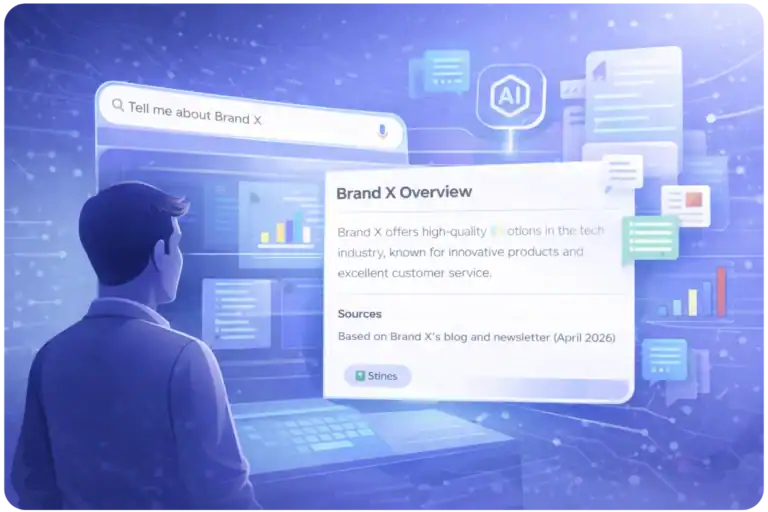
Marketing visibility now happens before the visit. Brands that succeed in 2026 are the ones AI systems trust enough to reference first.
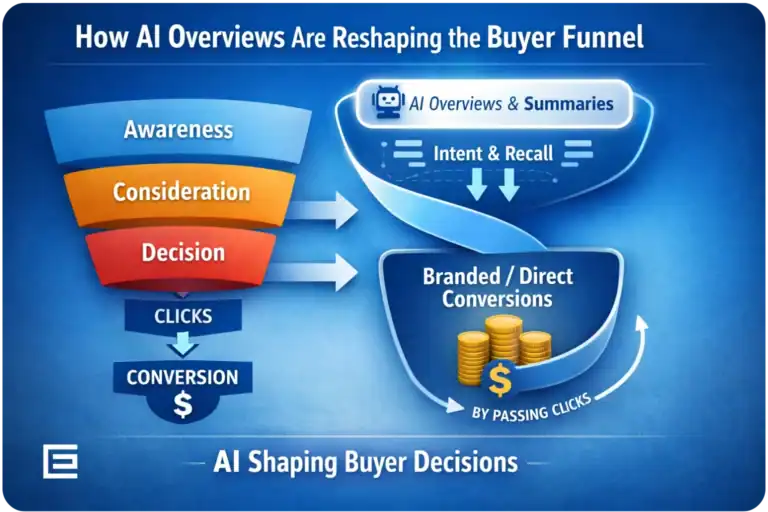
Zero-Click Search Is a Revenue Channel, Not a Traffic Problem
Zero-click search is often framed as a loss—but in 2026, it’s better understood as a shift in influence, not performance. AI summaries, featured answers, and generative results now shape buyer decisions without sending traditional traffic.
While these surfaces may reduce clicks, they significantly increase purchase intent and brand recall. Users research inside AI tools, absorb recommendations, and return later to convert directly—often through branded search, direct visits, or assisted conversions.
This means marketers must stop measuring success solely by sessions and rankings. Visibility inside AI answers, summaries, and comparisons is now a critical revenue driver—even when it doesn’t produce an immediate click.
Authority Signals Matter More Than Tactics in 2026
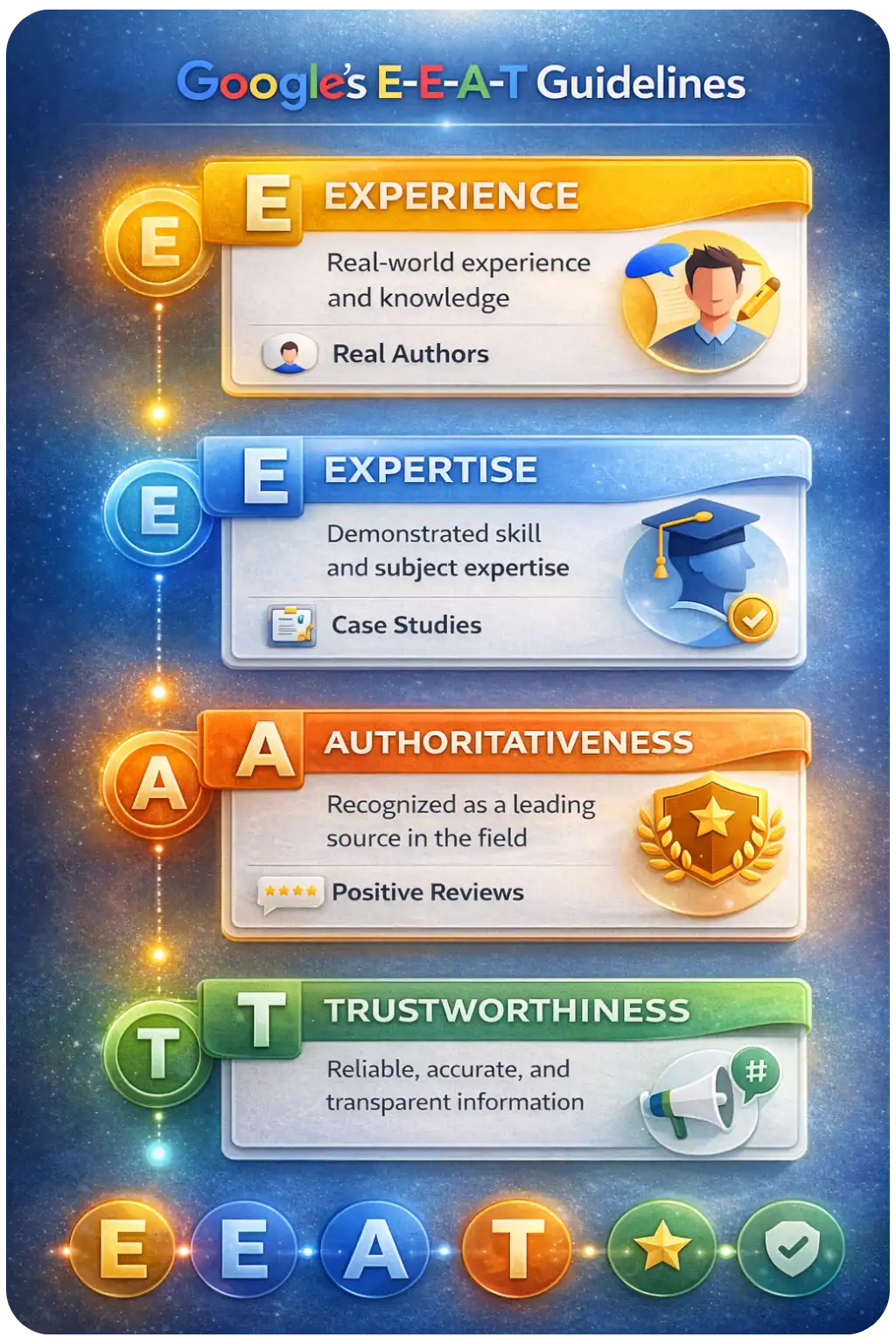
In previous years, execution tactics—keywords, backlinks, posting frequency—dominated marketing conversations. In 2026, authority outweighs tactics.
AI-driven discovery systems prioritize recognizable experts, consistent brands, and proven credibility over perfectly optimized pages. Trust signals now come from:
- Real authors with verifiable expertise
- Case studies and first-hand experience
- Consistent messaging across web, video, and social
- Brand mentions, citations, and reputation signals
The strongest marketing advantage in 2026 isn’t a new tool or channel—it’s being known, trusted, and consistently referenced across the digital ecosystem.
AI-Readable Content Is No Longer Optional
Content in 2026 must be written for two audiences: humans and machines.
AI systems don’t “rank” content the way search engines once did—they read it, summarize it, extract meaning, and decide whether it’s credible enough to cite. If your content lacks structure, clarity, or explicit context, AI tools will simply choose another source.
AI-readable content relies on:
- Clear headings and logical hierarchy
- Concise paragraphs and scannable formatting
- Tables, lists, and definitions AI can lift cleanly
- Schema markup and structured data
This isn’t an optimization tactic—it’s table stakes for visibility across AI-driven discovery platforms.
Marketing Teams Are Becoming System Architects
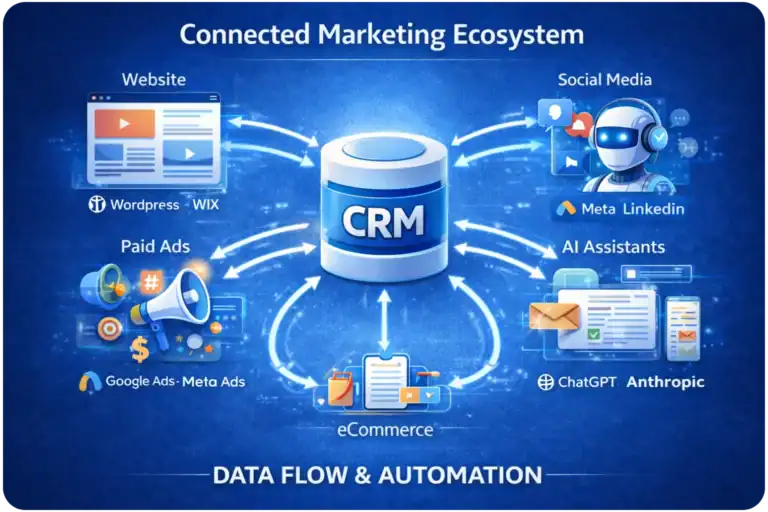
Modern marketing teams are no longer channel managers. In 2026, they function as system architects—designing how data, automation, content, and customer interactions work together.
Websites now listen and respond. CRMs act as intelligence hubs. Automation connects signals across search, social, email, chat, and AI assistants. Every interaction feeds a broader system designed to qualify, nurture, and convert buyers efficiently.
The brands that scale in 2026 are the ones that build connected marketing systems—not disconnected campaigns.
AI in 2026: The New Center of Digital Marketing
AI & Machine Learning Continue Reshaping How Digital Marketing Works in 2026
Artificial intelligence is no longer a “bonus” tool in digital marketing—it has become the foundation of how search engines understand content, how users find information, and how brands stay discoverable online. In 2026, AI-driven search is maturing fast, shifting marketers away from traditional ranking metrics and toward visibility, authority, and structured content that AI systems can easily interpret and cite.
In 2026, these shifts mean businesses can no longer rely on traditional SEO alone. The new digital marketing trends revolve around GEO, AI citations, structured data, entity-rich topical depth, and platform-specific content designed for machine understanding. Below are the most important advancements shaping how AI affects marketing outcomes this year.
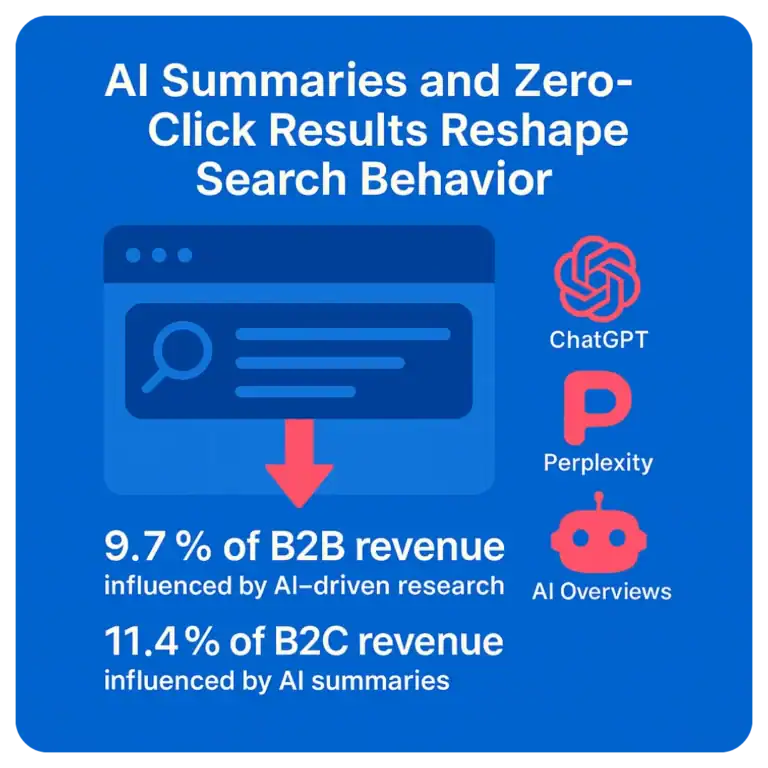
AI Summaries and Zero-Click Results Reshape Search Behavior
AI-driven summaries are replacing traditional organic clicks.
Most searches in 2026 are answered before a user ever visits a website.
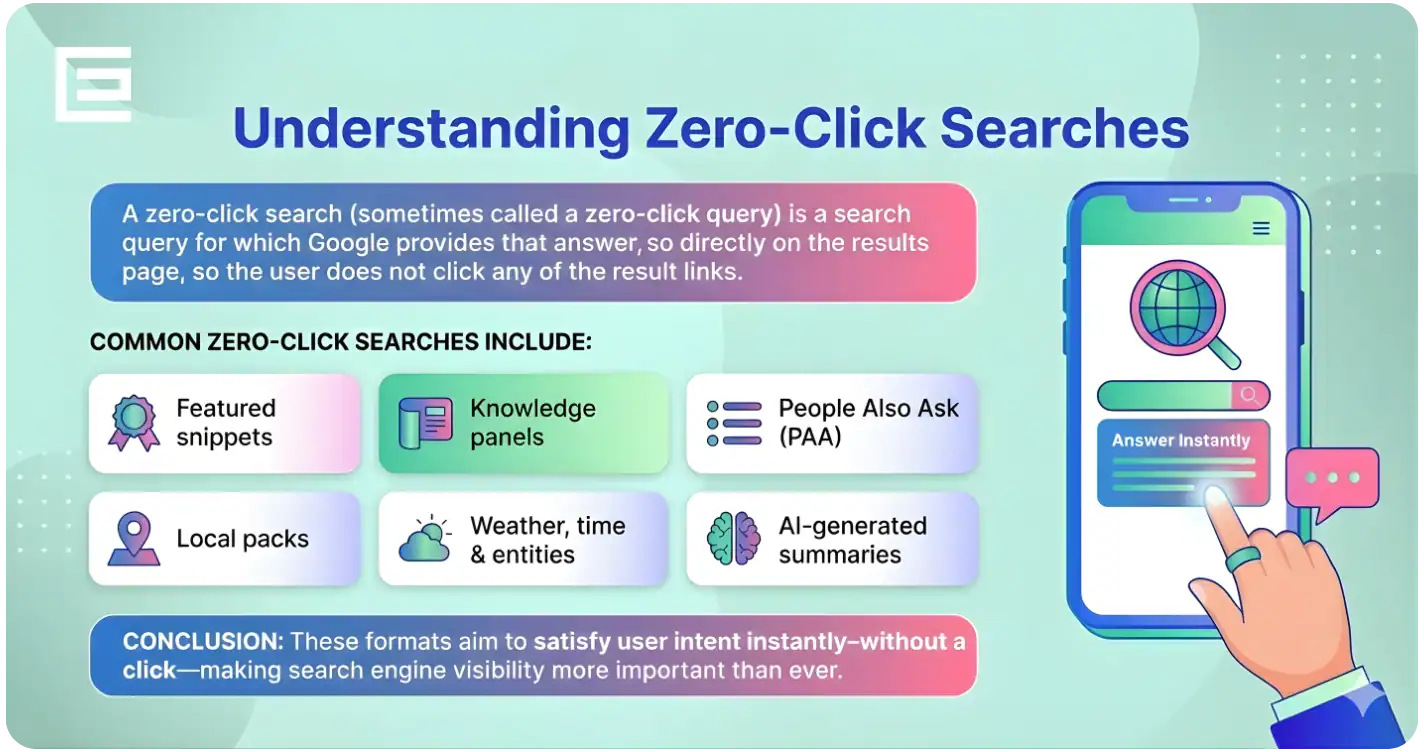
While AI sends less overall traffic, studies show it drives significantly higher conversion intent:
- 9.7% of B2B revenue influenced by AI-driven research
- 11.4% of B2C revenue influenced by AI summaries
Users research inside ChatGPT, Perplexity, and AI Overviews, then return directly to a brand later to convert.
This makes appearing in AI summaries essential for demand generation.
To earn AI citations, your content must:
- Provide clear, direct, factual answers
- Use short paragraphs, tables, and structured lists
- Include Q&A sections mapped to “People Also Ask”-style queries
- Present comparisons and statistics AI can lift cleanly
Well-structured content performs dramatically better in AI Overview inclusion tests.
AI Search Citations Become a Revenue Channel — Not a Traffic Channel
In 2026, AI-driven search platforms (Google AI Overviews, ChatGPT Search, Perplexity, Claude) are no longer “traffic drivers.” They are conversion drivers. That distinction matters.
Recent studies show that while AI platforms send less than 1% of traditional traffic, they influence between 9.7% of B2B revenue and 11.4% of B2C revenue.
Why?
Because prospects are researching inside AI tools long before they ever reach a website. AI-powered search now acts like a recommendation engine:
- It summarizes complex topics
- It cites authoritative brands
- It influences purchase decisions directly
- It guides buyers toward select products and services
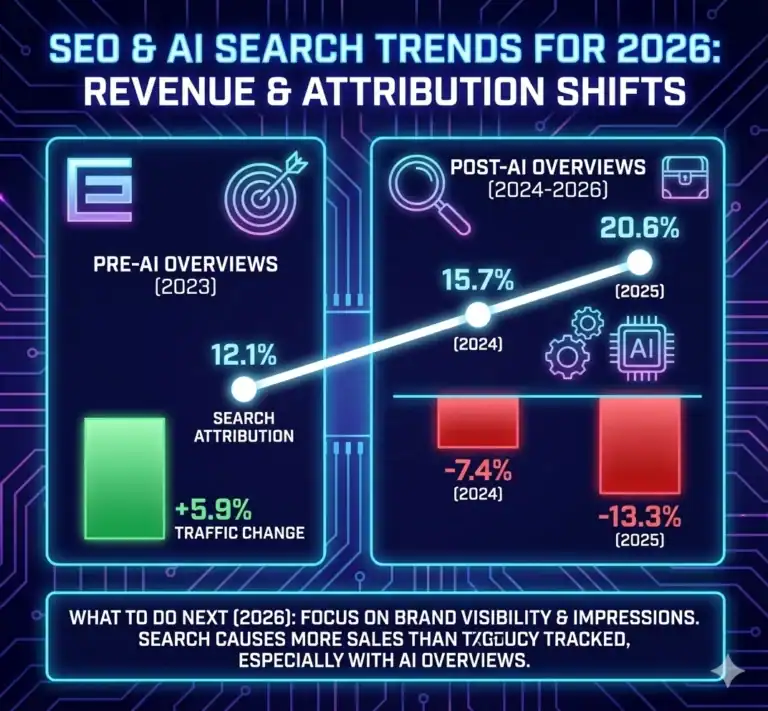
This means visibility inside AI Overviews contributes more to pipeline and purchase intent than raw traffic numbers.
AI Prioritizes Topical Depth Over Keywords
Topical Authority Overtakes Keywords as the #1 AI Ranking Signal. Keyword density is officially dead. AI ranks content creators who demonstrate actual expertise, not keyword stuffing. Brands that build deep content ecosystems — pillar pages, semantic clusters, structured internal linking, semantic variety and entity coverage, not keyword density — will dominate visibility across all AI search platforms. This shift rewards brands that build topic authority, not isolated blog posts.

New research analyzing 250,000+ search results shows:
- Pages with lower keyword density rank higher
- Topical authority is now the strongest on-page signal
- AI evaluates whether you understand the entire topic, not the term
- Interlinked semantic clusters outperform isolated blog posts
This shift is driven by AI systems that evaluate:
- How well concepts relate to each other
- Entity relationships
- Topic depth
- Contextual coverage
AI Requires Structured Data, Schema, and “Machine-Readable” Formatting
AI systems skim content like a human scanning a page.
If your content feels unstructured, cluttered, or vague, AI simply chooses another source.
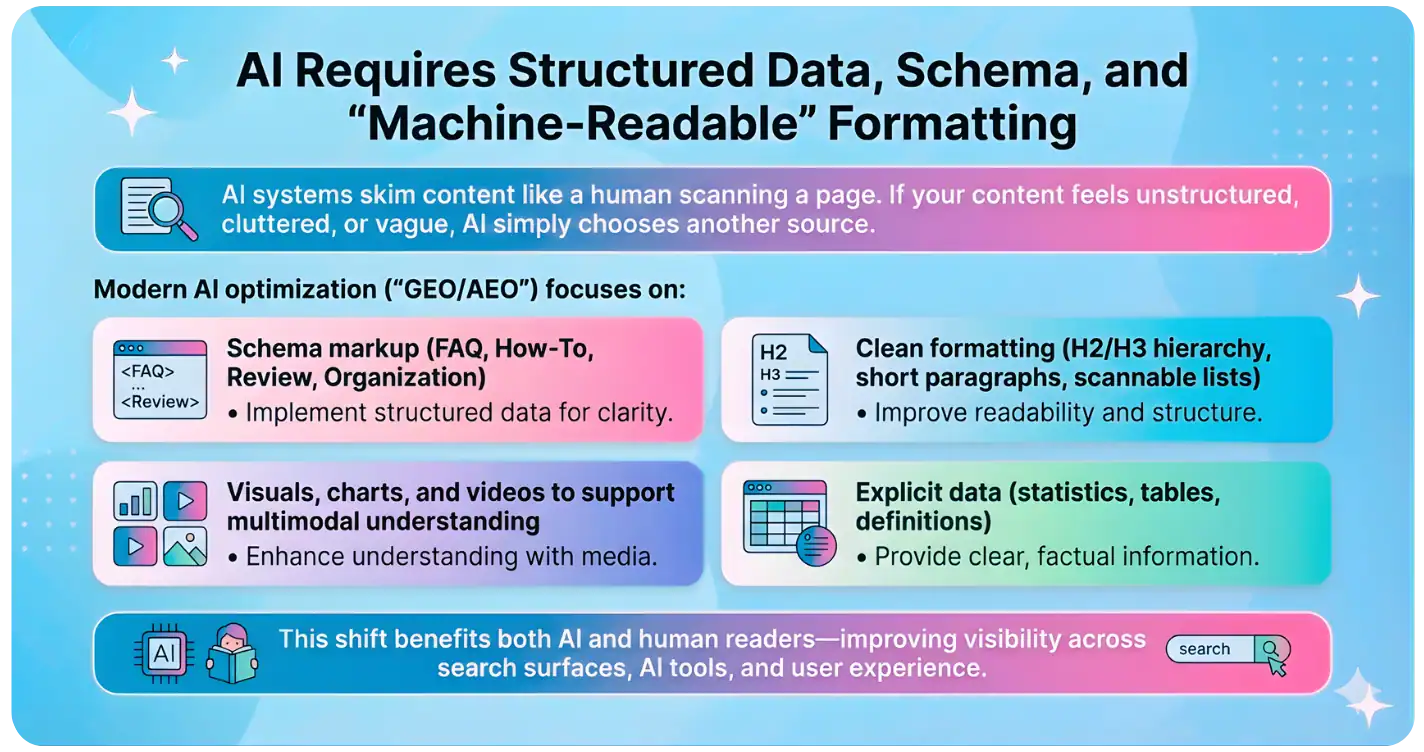
Modern AI optimization (“GEO/AEO”) focuses on:
- Schema markup (FAQ, How-To, Review, Organization)
- Clean formatting (H2/H3 hierarchy, short paragraphs, scannable lists)
- Visuals, charts, and videos to support multimodal understanding
- Explicit data (statistics, tables, definitions)
This shift benefits both AI and human readers—improving visibility across search surfaces, AI tools, and user experience.
Blogging Fuels AI Revenue, Even as Traditional Traffic Declines
A notable shift in trends in digital marketing is the rising influence of blog content on AI-driven conversions. While traditional organic search traffic may decline due to zero-click results, blog content remains one of the most frequently cited sources within AI summaries.
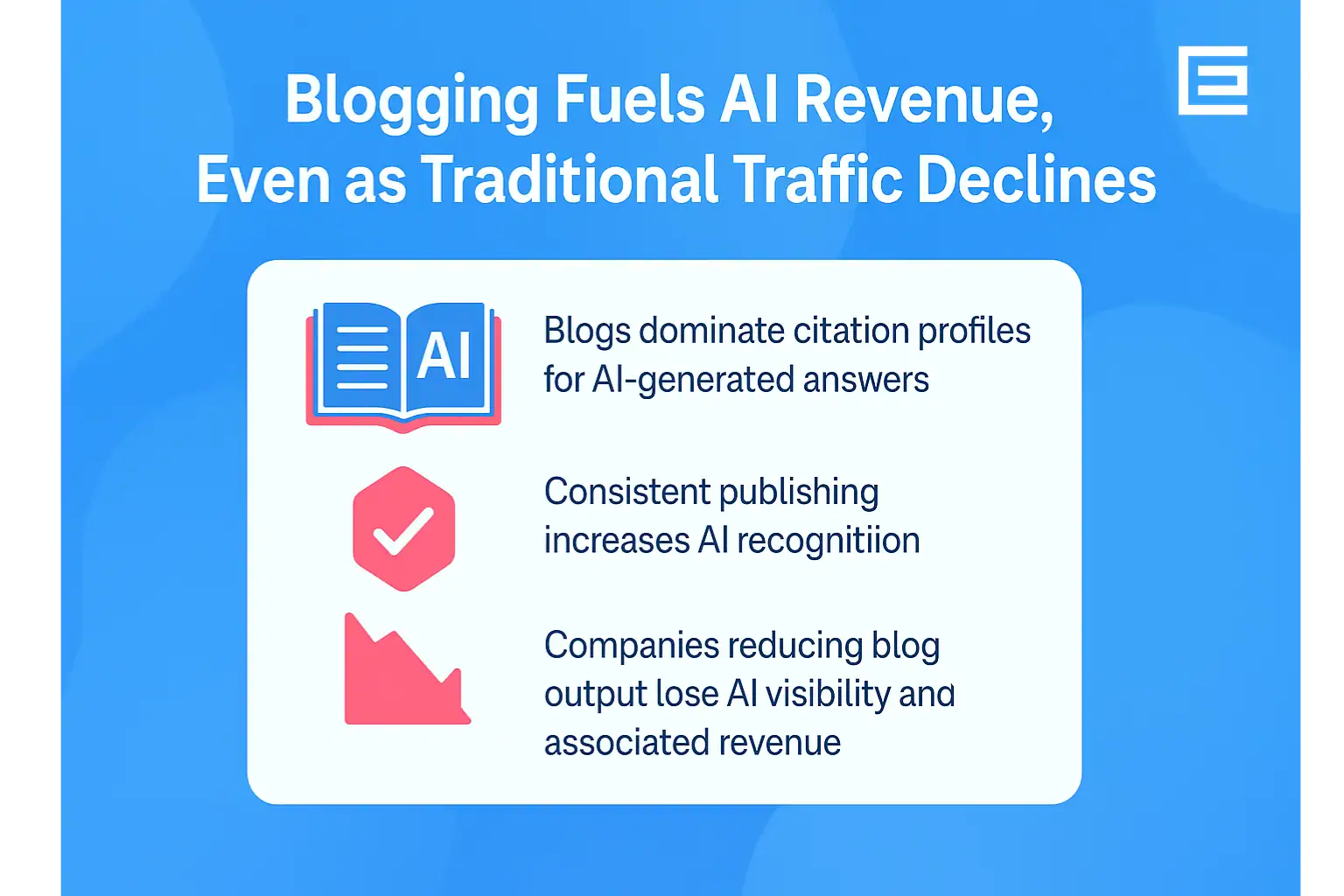
Key findings show:
- Blogs dominate citation profiles for AI-generated answers
- Consistent publishing increases AI recognition
- Companies reducing blog output lose AI visibility and associated revenue
As AI platforms use blog content for contextual grounding, maintaining a strong publishing cadence is now essential for long-term visibility and conversion performance.
Testing AI Summaries Becomes Essential for Optimization
A practical trend emerging in 2026 is the adoption of AI summary testing. Marketers are evaluating how AI platforms interpret their content by asking engines like ChatGPT or Perplexity to summarize key pages. Inaccurate summaries indicate:
- Weak structure
- Insufficient clarity
- Missing schema
- Poor topical depth
This technique provides a direct assessment of whether content meets the standards required for AI visibility—making it a critical part of digital marketing trends centered on AI-readiness.
Authority Signals Matter More: E-E-A-T for AI
AI models heavily favor credible, authoritative sources.
Rather than asking “What does this page say?”, generative search asks:
“Who said it, and can they be trusted?”
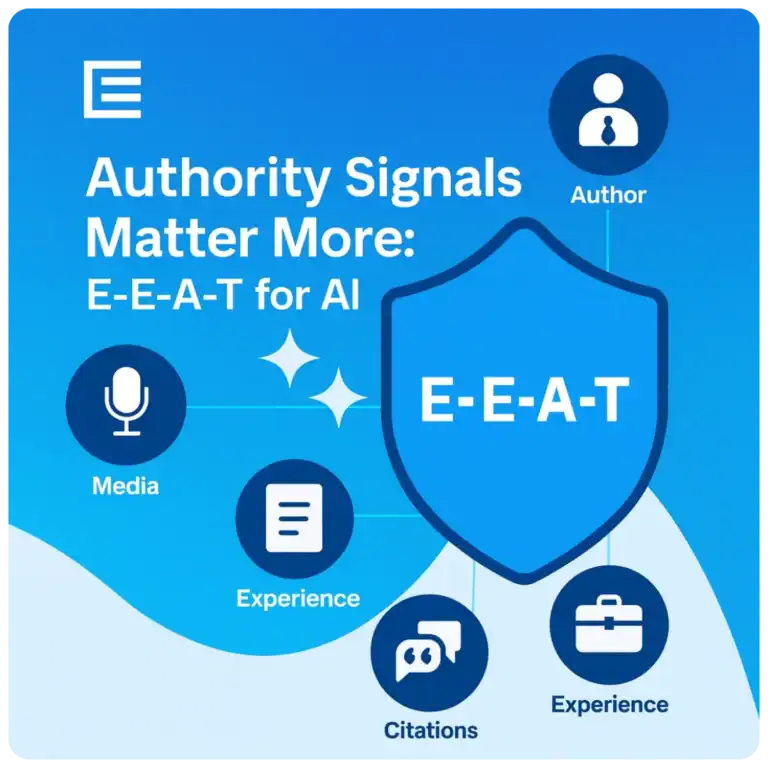
Authority signals that AI platforms rely on include:
- Strong author bios with real credentials
- Consistent branding across web, YouTube, and LinkedIn
- Case studies, proof points, and first-hand experience
- Industry citations, podcast mentions, and news references
In short: AI favors recognizable experts with traceable expertise. If your brand and authors appear inconsistent—or invisible—AI platforms deprioritize your content.
New AI Visibility Metrics Replace Traditional SEO KPIs
Organic traffic is no longer the main indicator of SEO success.
AI-driven search requires new metrics that reflect presence across surfaces, not just clicks.
Modern SEO KPIs now include:
- AI Overview inclusion rate
- Frequency of AI citations across platforms
- Surface coverage (video, map pack, web, PAA, AI summaries)
- Assisted conversions from AI-driven research
- Engagement with multimodal content across channels
Marketers who continue tracking only rankings and pageviews will miss the growing impact of AI-driven discovery.
AI Summaries Become the New “Featured Snippet” — and the New Conversion Engine
AI Overviews and generative summaries are now the first stop for most searches.
But unlike classic featured snippets, AI summaries:
- Include multiple cited sources
- Adapt based on user queries
- Personalize follow-up questions
- Influence product research
- Shape brand perception
- Drive higher-intent actions
The biggest shift? AI summaries convert far better than traditional search clicks.
Users researching inside ChatGPT or Perplexity often return to purchase later — meaning AI search has become a powerful assisted conversion channel even when it drives no direct traffic.
Brands that embrace “answer-first content,” semantic Q&A blocks, and comparison-rich pages will earn dramatically more AI citations and conversions.
The Road Ahead: Digital Marketing Trends 2026
In 2026, successful digital marketing teams understand this shift: SEO is no longer about ranking.
It’s about being the source AI trusts enough to cite.
AI has become the backbone of search, and marketers who adapt early gain a powerful long-term advantage in visibility, conversions, and brand trust. As AI continues to reshape search behavior and content discovery, many businesses are investing in ai seo services to ensure they remain visible across both traditional search engines and AI-driven platforms
Content Ecosystems
Trends in digital marketing for 2026 highlight AI-driven content ecosystems as a key shift. This marketing trend shows interconnected content outperforming isolated pieces, building topical authority for better AI visibility.
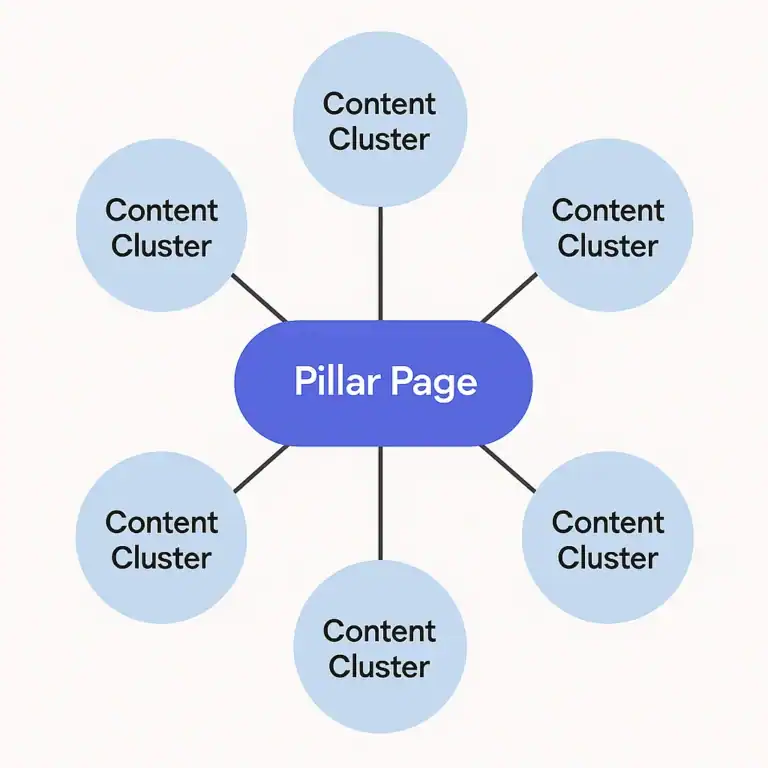
Brands creating pillar pages with semantic clusters see improved performance in AI search. This approach to digital marketing trends evaluates entire content networks rather than single pages, rewarding comprehensive coverage.
- Develop pillar pages for broad topics
- Create cluster content for depth
- Use strategic internal linking
- Incorporate multimodal elements
| Component | Purpose |
|---|---|
| Pillar Page | Broad overview |
| Cluster Content | Detailed subtopics |
| Internal Links | Relationship mapping |
AI Search Optimization (GEO/AEO) in 2026
AI platforms reshape user discovery, a new discipline—Generative Engine Optimization (GEO), also referred to as AI Engine Optimization (AEO)—has become a central focus in trends in digital marketing. Unlike traditional SEO, GEO prioritizes how AI models read, interpret, and cite information rather than how algorithms rank pages.
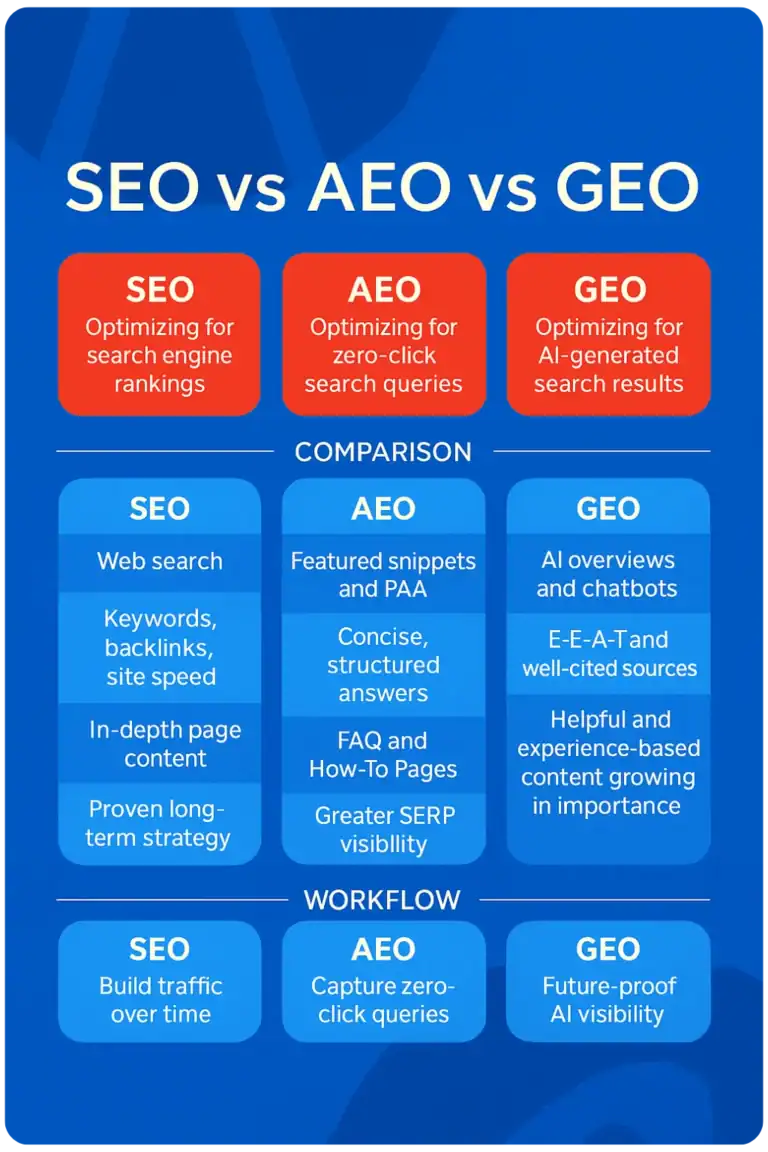
GEO relies on:
- Machine-readable formatting that enables accurate summarization
- Structured data such as FAQ, How-To, and Review schema
- Citation-based trust, where AI models reference content rather than passively index it
- Explicit data, including comparison tables, numbered lists, and clear definitions
- Multimodal signals, such as visuals and embedded media
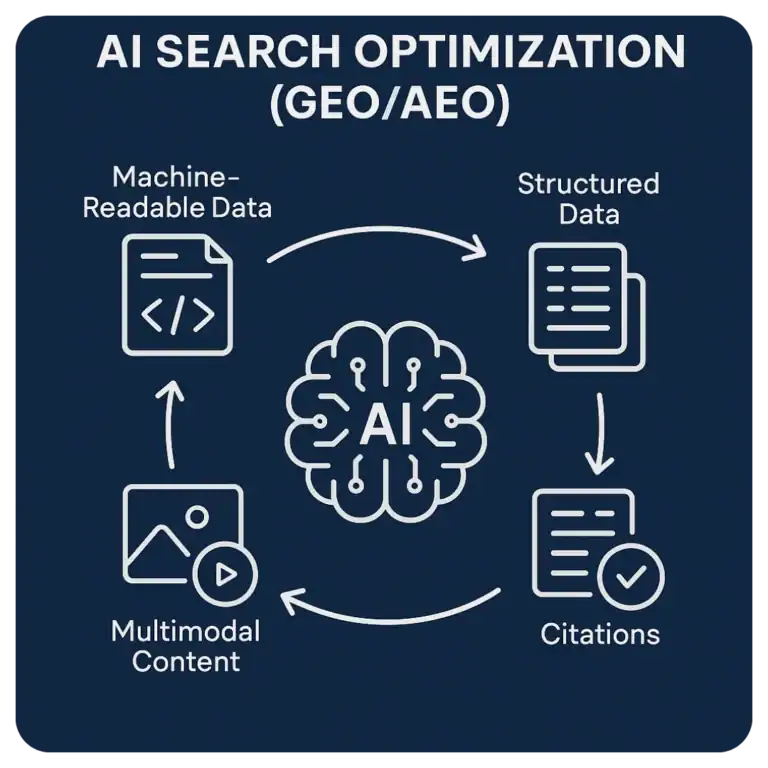
These trends in digital marketing show that brands optimizing only for traditional search engines will struggle in AI-driven environments where structured clarity and verifiable authority determine visibility. Unlike traditional SEO, which focuses heavily on keywords, backlinks, and ranking positions, GEO centers on how clearly an AI model can understand and extract meaning from your content. These systems don’t “rank” pages—they read them, interpret them, and decide whether a brand’s expertise is strong enough to cite in a generative answer. Because AI search emphasizes clarity, structure, and authority signals, content must be built in a way that supports machine interpretation as much as human usability
This discipline focuses on optimizing for AI assistants, not just Google:
- ChatGPT
- Perplexity
- Bing’s SearchGPT
- Google AI Overview
- Claude Search
In 2026, successful brands create content ecosystems that can be easily parsed, summarized, and recombined by generative models. When pages follow GEO best practices, AI tools are more likely to cite them directly—boosting visibility, strengthening reputation, and influencing purchase decisions long before a user visits the website.
Full Funnel Social Platforms
As we analyze digital marketing trends for 2026, social commerce emerges as a game-changing force. This evolution in digital marketing trends demonstrates how shopping behaviors are fundamentally shifting. Social commerce is set to revolutionize the way consumers discover and purchase products, transforming social media platforms into new storefronts. With social commerce revenues projected to surpass 1 trillion US dollars by 2028, this 2026 digital marketing trend shows no signs of slowing down. The integration of social media and e-commerce is transforming shopping, making it easier and more engaging for consumers.
User-Controlled Feeds Will Shrink Organic Reach
Algorithms aren’t deciding anymore — your audience is. In 2026, users can manually customize their feeds to hide entire categories of content they don’t want to see. Instagram’s “Tune Your Algorithm” feature already allows people to suppress industries, topics, and creators.
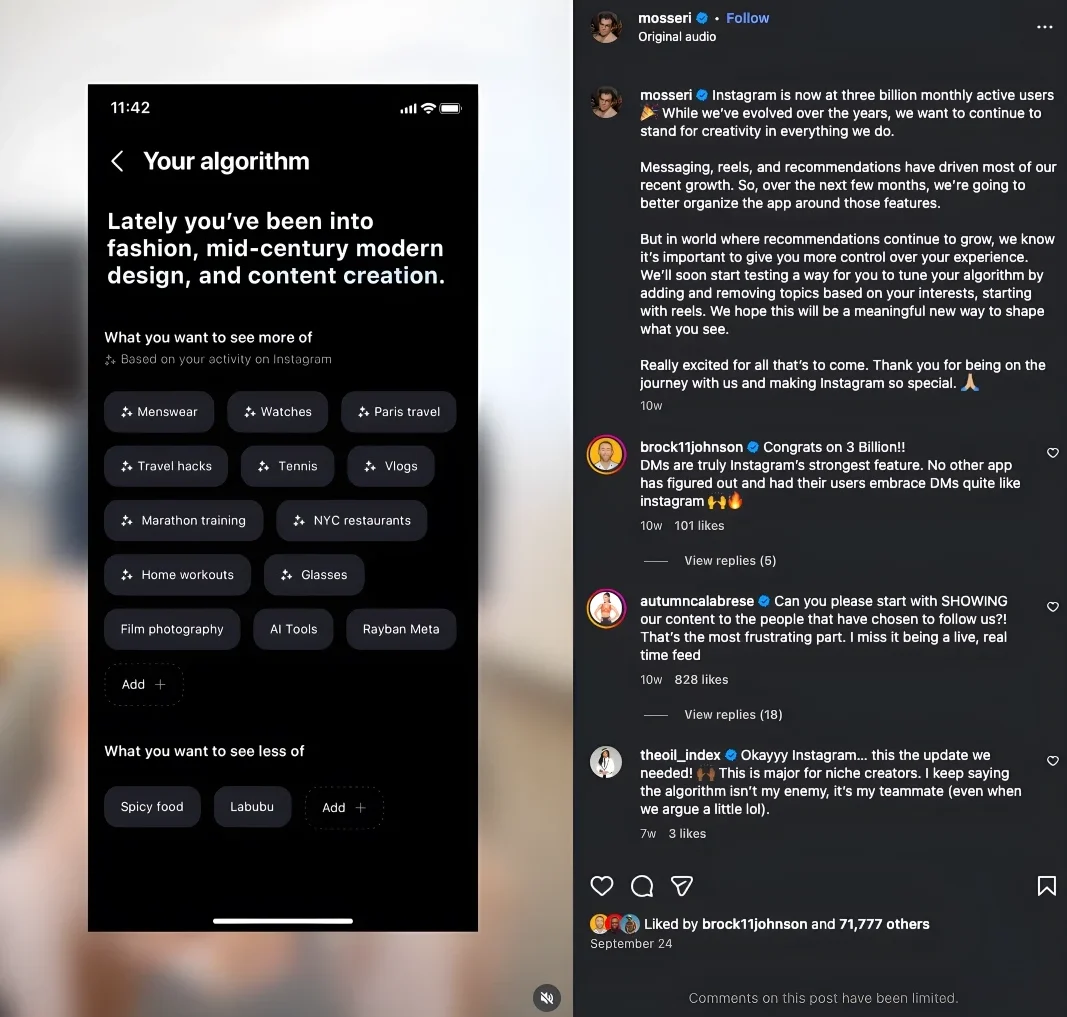
That means you’re no longer competing for algorithmic favor —
you’re competing for intentional, permission-based attention.
What This Means for Marketers
If your content isn’t consistently valuable, users can now:
- Mute your niche
- Exclude your topic
- Hide your content category entirely
…and your reach disappears overnight.
Winning in 2026 requires a return to actual usefulness. Content must consistently deliver value, stay focused on what the audience opted in for, and diversify themes enough that users don’t categorize you as “spammy” or “irrelevant.” This shift isn’t a punishment — it rewards brands that understand their audience and produce content that genuinely solves problems or inspires action.
Long-Form Video’s Return
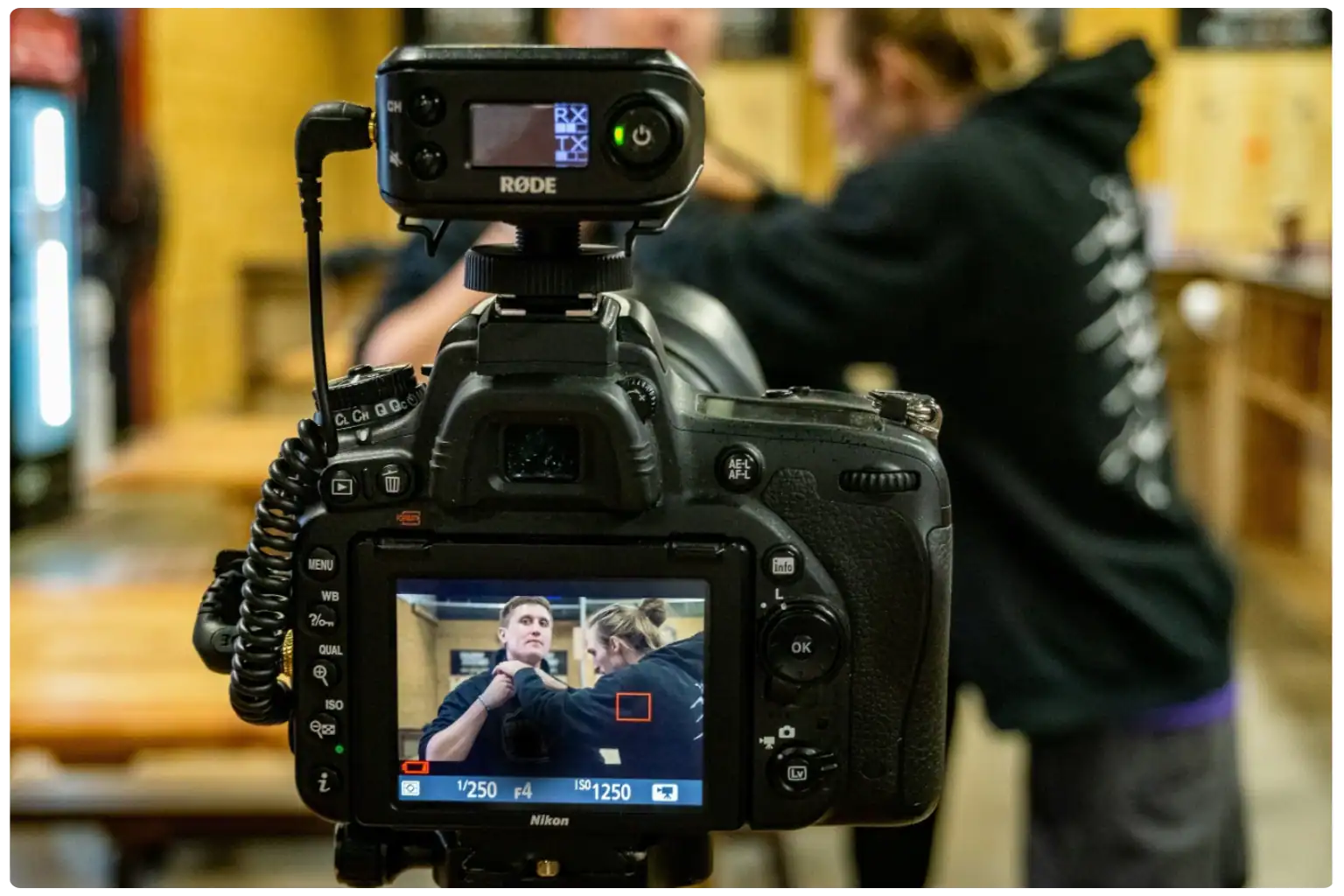
After years of hyper-short, dopamine-driven video content, viewers are exhausted.
Platforms are responding:
- Engagement studies show long-form generates 10x more views and 5x more meaningful comments
- TikTok expanded to 10-minute uploads
- YouTube now holds 50%+ of global social watch time
Brands that succeed will build series-based content, investing in narrative formats, expert breakdowns, and episodes that encourage return viewing. Short-form still matters, but its role shifts: it becomes a trailer — not the whole show. People want substance again. Businesses that tell real stories, teach something valuable, or show their expertise will finally rise above the clutter.
Social Platforms Become Search Engines
Social SEO is the new Google SEO. Gen Z and Millennials increasingly search on TikTok, Instagram, and YouTube before they search on Google. Nearly 64% of Gen Z uses TikTok as a search engine, and platforms now index captions, on-screen text, spoken words, and even comments.
his means every social post is now a search asset.
Brands must optimize content for platform-based SEO — using keywords in captions, spoken audio, titles, and descriptions. High-ranking videos on TikTok or Instagram can drive continuous visibility for months, outperforming traditional social posts by a wide margin.
Businesses that treat social platforms like “search engines with video results” will dominate early discovery in 2026.
Social Fatigue and the Great Quality Reset
After years of nonstop content consumption, users — especially Gen Z — are burned out. Social usage is flattening, and people are intentionally reducing screen time because they’re tired of low-quality, repetitive posts.
This creates a major shift: Quality now beats quantity.
Instead of posting 7 mediocre reels a week, brands win with 2–3 meaningful, story-led pieces that educate, entertain, or genuinely help the viewer. The algorithm rewards content people watch to the end — not content that chases views.
The future belongs to brands that value depth, storytelling, and utility over constant posting.
Social Commerce 2.0
Social commerce continues to evolve as one of the most influential trends in digital marketing, but the 2026 landscape looks very different from previous years. Instead of treating social platforms as traffic drivers, businesses now rely on them as full-funnel sales ecosystems where discovery, evaluation, and purchase all happen in the same place. TikTok Shop, Instagram Checkout, YouTube product tagging, and message-driven conversions have reshaped buyer expectations—users now prefer to complete actions without leaving the platform.
In 2026, social commerce succeeds when brands reduce friction and meet users where they already are. On-platform transactions, native product experiences, and direct messaging tools consistently outperform traditional “click to website” funnels. As algorithms shift to reward retention and purchase signals, the most successful brands focus on trust, expertise, and high-quality content that solves real problems—not volume posting or trend chasing.
On-Platform Conversion Becomes the Default Buying Path
The era of “click the link in bio” is over.
For more than a decade, the goal of social media was simple: drive traffic to your website.
That system is collapsing. Every major platform — TikTok, Instagram, YouTube, Facebook — is reinventing itself as a full-funnel sales ecosystem, where users discover, engage, purchase, and re-engage without ever leaving the app.

And the results are undeniable:
- Shopify reports 20–40% higher conversions using TikTok Shop & Instagram native checkout.
- Facebook Lead Ads continue to outperform landing-page conversions for many industries.
- Platforms reward advertisers who keep users on-platform, not off.
Why This Trend Matters
Your customers no longer want to jump from:
“See → Click → Load Website → Find Page → Add to Cart → Checkout”
They want:
“See → Tap → Buy.”
For service businesses, “buy” becomes: book a call, request a quote, or send a message.
To stay competitive in 2026, businesses need to rethink their funnel. Focus less on moving traffic and more on meeting customers where they already are. On-platform CTAs, native shop integrations, and message-driven lead capture should be part of every modern lead-gen strategy.
Expert Personal Brands Replace Influencers
The influencer bubble has burst. Brands are no longer paying for followers — they’re paying for credibility.
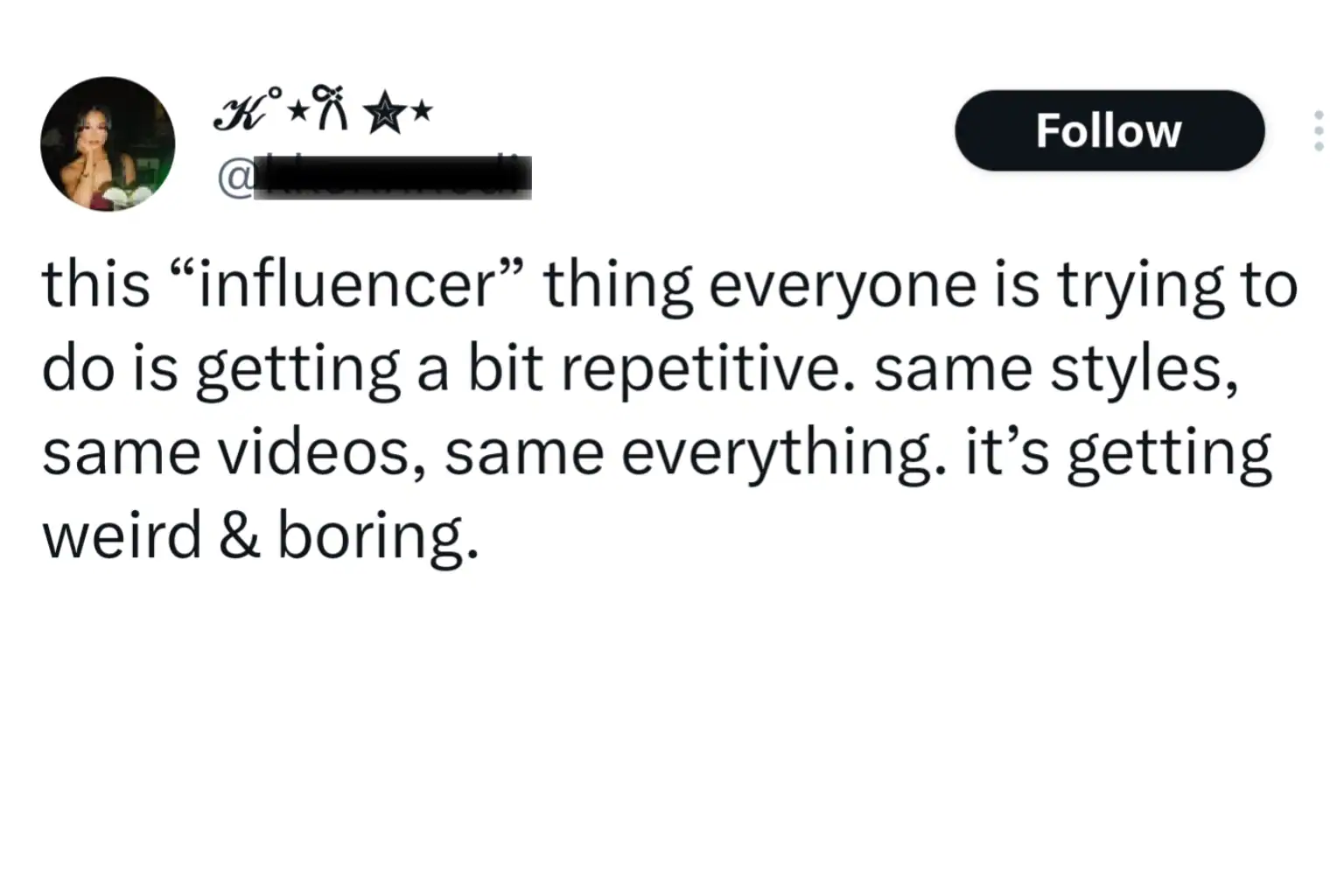
In 2026, high-performing partnerships come from subject-matter experts:
- Attorneys explaining legal changes
- Estheticians reviewing skincare
- Marketers breaking down data
- Contractors demonstrating real work
Corporate studies show expert-led creators drastically outperform lifestyle influencers when it comes to trust, conversions, and long-term partnerships.
For brands, the strategy is simple:
Don’t chase generic influencers — collaborate with specialists who have real authority and genuine audience trust.
Influencers play a crucial role in the rise of social commerce, serving as the primary gateways for users to discover new content and products across various social platforms. With their niche expertise and loyal followings, in
Virtual Influencers Are Dying
AI-generated avatars are losing trust — fast.
Despite heavy investment in 2022–2024, virtual influencer performance is tanking:
- 60% of brands plan no AI influencer investment
- Consumers overwhelmingly choose real people
- Virtual personas trigger distrust and “customer service bot” frustration
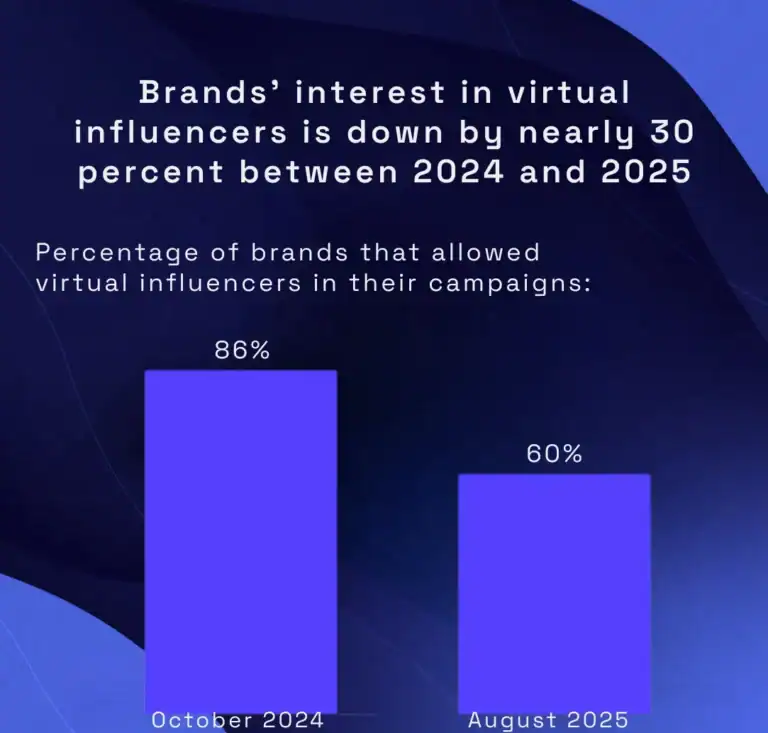
AI-generated personalities had momentum for a moment — but audiences rejected them fast. Synthetic faces lack authenticity, emotion, and relatability. In 2026, authenticity wins.
Real stories, real faces, and real voices outperform polished avatars across every platform. The more human the content feels, the stronger the engagement and loyalty.
In 2025, influencers will take a more prominent role in fostering direct sales by leveraging advanced video formats and interactive shopping features to encourage purchases.
Preparing for the 2026 Social Commerce Landscape
Succeeding with social commerce in 2026 requires more than posting product links. Platforms now expect brands to deliver a complete shopping experience inside the feed, supported by creators who can demonstrate real expertise and build trust with their audiences. Businesses that adapt quickly—by developing subject-matter expert partnerships, investing in high-quality video, and enabling native
AI-Enhanced Creative
Creative production is undergoing a major shift as AI becomes embedded directly into the content workflow. Instead of simply generating variations, modern AI tools help teams shape concepts, refine messaging, and adapt visuals across platforms with greater speed and consistency. This evolution reflects broader trends in digital marketing: audiences expect higher-quality content, and platforms reward polished storytelling that fits each format.
Brands that pair human creativity with AI capabilities can scale content without losing quality. AI systems analyze audience behavior, brand guidelines, and performance trends, helping marketers produce assets that resonate across multiple channels.
AI now supports creative development through:
- Script and narrative ideation for video-first platforms
- Auto-formatted visuals for TikTok, YouTube, Instagram, and display
- Predictive testing to determine which assets will perform best
With AI accelerating production and improving decision-making, creative teams can focus on strategy and storytelling. Campaigns become more cohesive, more adaptable, and significantly faster to execute—an advantage as digital marketing trends move toward video-first engagement.
Suggested image idea: Side-by-side comparison of “traditional creative workflow” vs. “AI-accelerated creative workflow.”
Omnichannel Marketing & Multi-Surface Visibility
Modernized omnichannel strategies are prominent trends in digital marketing for 2026. As digital behavior fragments across platforms, businesses can no longer rely on single-channel attribution or isolated analytics. In 2026, users shift seamlessly between search, social, video, email, AI assistants, and offline touchpoints—often interacting with a brand repeatedly before converting.
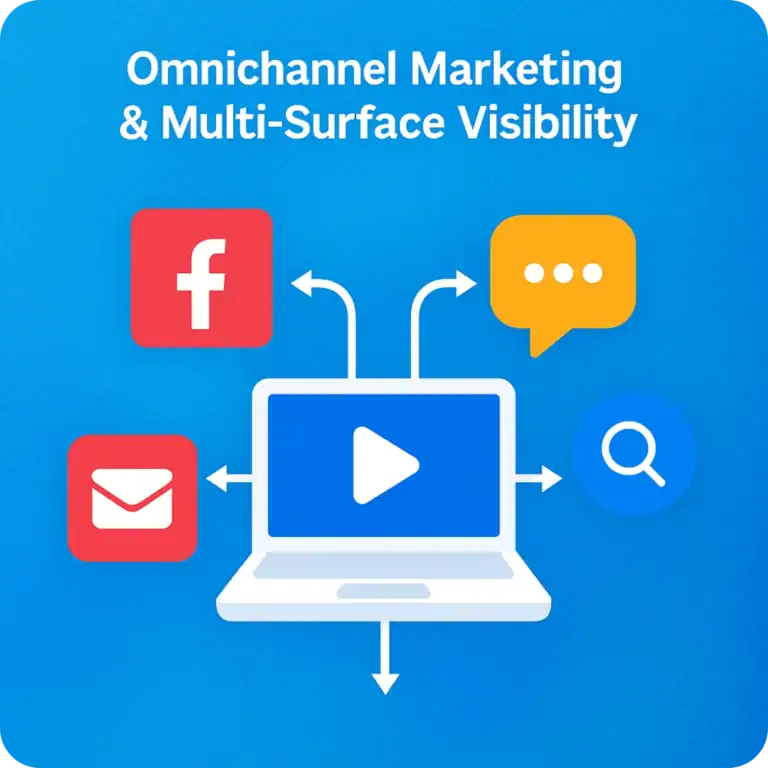
Businesses using first-party data for cross-channel profiles achieve better attribution. This approach to digital marketing trends enables accurate ROI calculation in complex customer journeys.
- Integrate CRM for identity resolution
- Implement AI attribution models
- Prioritize first-party data collection
In 2026, the biggest trend in digital marketing is the collapse of traditional channel boundaries, as search, social, video, shopping, and AI assistants increasingly overlap. Users move fluidly between formats—watching a TikTok, reading a blog snippet in Google Discover, asking a follow-up question in ChatGPT, then clicking a YouTube result without ever thinking about “channels.”
Brands using AI for creative adaptation achieve better multi-surface presence. This approach to digital marketing trends blends platforms for seamless user experiences.
- Use AI for cross-platform content adaptation
- Optimize for various surfaces
- Leverage platform convergence features
| Surface | Optimization Strategy |
|---|---|
| Mobile | Responsive design |
| Desktop | Detailed content |
| Voice | Conversational |
| Visual | Image-rich |
This convergence means visibility can no longer be measured by one platform at a time. Instead, brands must show up consistently across every surface where discovery happens. Platforms index each other’s content, trending topics influence Google results, and video-based search drives visibility beyond traditional SEO.
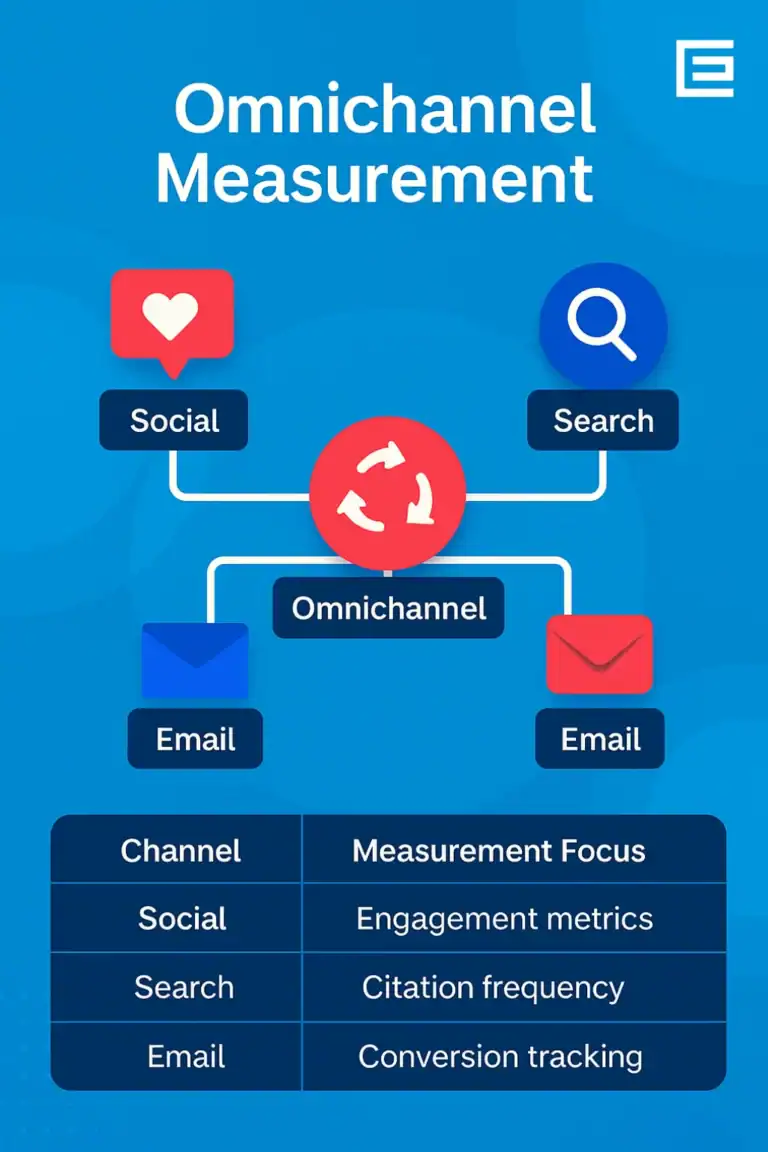
| Channel | Measurement Focus |
|---|---|
| Social | Engagement metrics |
| Search | Citation frequency |
| Conversion tracking |
With clearer identity and measurement frameworks, businesses gain a more accurate view of what drives performance. Channels stop competing for credit and start contributing to a coordinated strategy.
Brand Authenticity and Community-Based Marketing
The push for authenticity is accelerating in 2026, driven by shifting user expectations, algorithm updates, and rising skepticism toward overly polished or generic content. Audiences want brands that feel human, credible, and grounded in real expertise—not automated campaigns or AI-generated filler.
Meaning In 2026, building a strong brand based on authentic values will be the key differentiator for businesses. As competition intensifies and features become easier to replicate, a company’s brand remains the only true moat to protect its market share. Notably, just as Jordan shoes stand out from the crowd due to their association with Michael Jordan, rather than their quality alone, brands must focus on cultivating a unique identity that resonates with their target audience.
Brands building micro-communities see reduced acquisition costs and higher loyalty. This approach to digital marketing trends emphasizes trust in niche groups over algorithmic reach.
- Foster micro-communities
- Partner with genuine creators
- Implement loyalty programs
- Encourage authentic content
| Strategy | Benefit |
|---|---|
| Community Building | Higher retention |
| Authentic Partnerships | Better trust |
| User Content | Lower costs |
Being Real and Relatable
This shift is especially visible in how people consume content. Users gravitate toward brands that share real experiences, show the people behind the business, and build communities instead of broadcasting generic promotions. Engagement grows when brands participate in conversations, highlight genuine stories, and showcase subject-matter experts instead of influencers who lack domain credibility
Anonymous content is losing its appeal in the face of personalized and relatable experiences showcased through user-generated content. To be real and relatable, brands should focus on:
- Audience engagement: Actively listening to and interacting with your target audience to build a genuine connection
- Credibility and trust: Being transparent and consistent in your messaging and actions to establish trust with your audience
- Relatability: Showcasing the human side of your brand through authentic storytelling and user-generated content
- Virality potential: Creating content that resonates emotionally with your audience, increasing the likelihood of it being shared organically
- Cost-effective content creation: Leveraging user-generated content to reduce marketing costs while maintaining authenticity
- Long-term benefits: Building a loyal customer base that advocates for your brand, driving sustainable growth
In 2026, brands that prioritize authenticity and relatability will be best positioned to build a strong, enduring brand identity. By focusing on genuine audience engagement, credibility, and leveraging the power of user-generated content, companies can create a lasting competitive advantage in an increasingly crowded market.
AI Driven Hyper-Personalization
Personalization remains a priority in 2026, but it now operates under stricter privacy expectations and new federal requirements. Consumers want tailored experiences—yet they’re increasingly cautious about how their data is collected and used. At the same time, the FCC’s updated consent rules (effective January 2025) require explicit, written permission before brands can send automated marketing messages, which forces marketers to rethink how they build compliant, trust-based communication flows.
These shifts are reshaping personalization. Instead of relying on third-party data or aggressive retargeting, brands are moving toward privacy-first approaches built on clear consent, transparent value exchanges, and cleaner first-party data. Users are more willing to share information when they understand how it improves their experience, and brands that communicate this clearly maintain stronger engagement.
Effective privacy-forward personalization typically includes:
- First-party data collection tied to meaningful user benefits
- Transparent opt-in flows across email, SMS, and automation tools
- Segmentation based on declared preferences—not inferred behavior
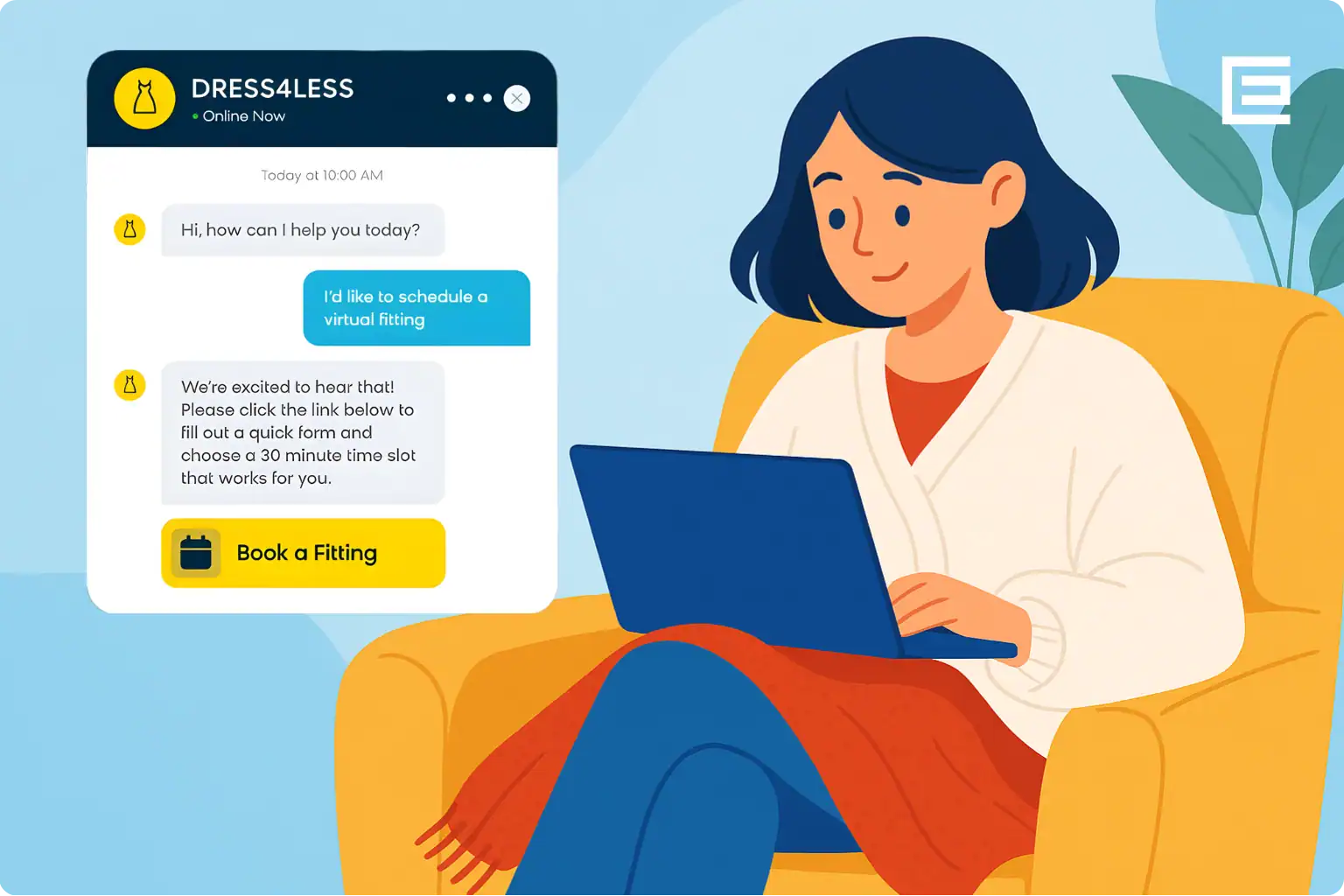
This balance of relevance and respect allows brands to deliver tailored messaging without compromising compliance or user trust. As FCC rules tighten and consumer expectations rise, businesses that invest in privacy-aligned personalization strategies will build stronger long-term relationships and avoid compliance risks.
B2B Gets Personal in 2026
In 2026, personalization will become increasingly important in the B2B space. Moreover, recognizing that there’s more to people than just their professional personas, B2B companies will need to adapt to the deeper layers of their target audience to effectively generate sales. This is particularly important given the typically longer sales cycles and larger contracts in B2B.
By recognizing and addressing the unique personalities, hobbies, and interests of decision-makers, B2B brands can strengthen relationships and boost success
Privacy-Forward Personalization & FCC Consent Rules
Privacy-forward and hyper personalization are intertwined trends in digital marketing for 2026. These digital marketing trends balance advanced customization with strict privacy measures.
Brands using first-party data for hyper-personalized experiences see 30-50% engagement boosts. This approach to digital marketing trends complies with FCC rules while delivering tailored content.
- Use opt-in data for personalization
- Implement FCC-compliant consent
- Focus on hyper-targeted experiences
| Level | Approach |
|---|---|
| Basic | Segment-based |
| Hyper | Individual real-time |
| Privacy | First-party only |
To thrive in the era of hyper-personalization, brands must invest in AI-powered technologies and data analytics to gain a deep understanding of their customers. They should also focus on creating seamless, omnichannel experiences that deliver consistent, personalized content across all touchpoints.
Additionally, brands must also balance personalization and privacy, ensuring customers feel their data is being used responsibly and transparently. By adapting to this evolving landscape they can build lasting customer relationships and achieve long-term success.
Personalization Digital Marketing Trends to Watch
- AI-driven customer journey mapping
- Real-time personalization engines
- Privacy-first personalization strategies
- Cross-channel personalization integration
Search Everywhere Optimization 2.0
Content discovery continues to evolve rapidly in 2026, with search behavior expanding far beyond Google. While Google remains a central player, users now begin their research across a mix of AI assistants, social platforms, video search engines, and emerging multi-surface ecosystems. This shift requires brands to take a broader view of where search happens and how customers find information, because modern discovery is no longer confined to a single platform or algorithm.
AI assistants now play a major role in early research journeys. Tools like ChatGPT Search, Perplexity, and Google’s AI Overview deliver multi-source answers in seconds, often replacing the traditional “scroll through results” behavior. At the same time, video-heavy platforms such as YouTube and TikTok continue to operate as primary search engines for younger users. In 2026, nearly half of Gen Z prefers platform-native search before turning to Google, and TikTok’s internal search now indexes captions, spoken audio, on-screen text, and comments—transforming every video into a searchable asset.
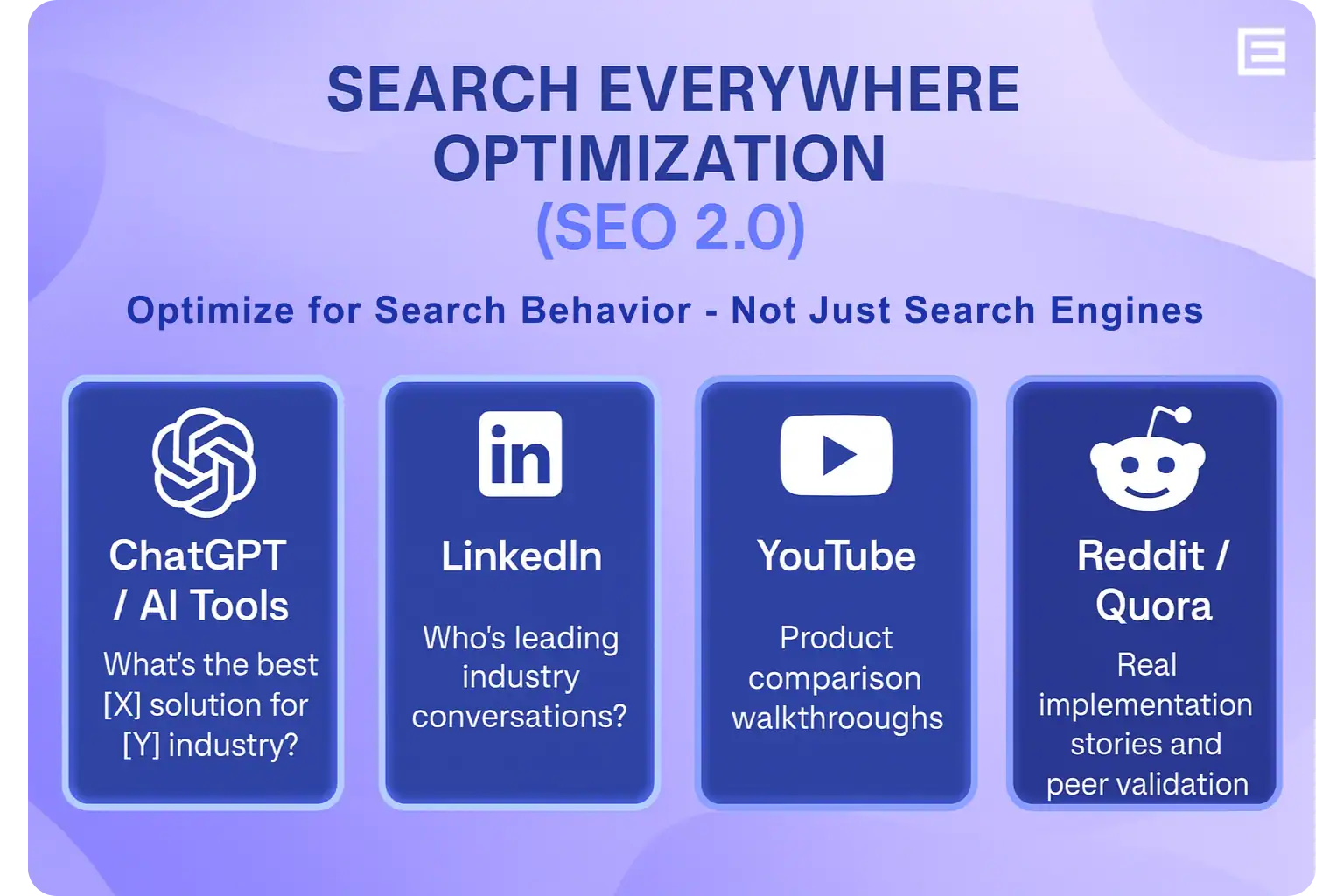
Search everywhere optimization means ensuring visibility across all the places users look:
- AI-driven engines like ChatGPT, Claude Search, Perplexity, and Google AI Overview
- Video-first platforms such as YouTube and TikTok
- Social ecosystems with indexable content, including Instagram, Pinterest, and LinkedIn
- Traditional engines like Google and Bing, which remain important for transactional intent
- Specialized vertical search (app stores, product feeds, local directories)
Brands that embrace multi-surface visibility gain a significant advantage, because discovery no longer follows a linear path. A user may encounter short-form video during early research, explore an AI-generated summary for clarification, then return to Google for reviews or comparison content. Optimizing for only one environment creates gaps in this journey.
Search everywhere optimization is ultimately about meeting customers where they naturally look first—not where marketers prefer to be found. The brands that embrace this distributed discovery model experience stronger awareness, broader reach, and more durable performance across all search surfaces.
checkout—gain a measurable advantage in attention, engagement, and conversions.
11. New KPIs for AI-Driven Platforms
Measurement in 2026 looks very different from the KPI models marketers relied on for the past decade. As AI platforms increasingly summarize content rather than send traffic, traditional metrics—rankings, impressions, sessions—no longer tell the full story. Businesses now need measurement frameworks that reflect how users actually research, compare, and make decisions across generative engines and multi-surface search.
Instead of focusing solely on organic visits, marketers are evaluating how often their content appears inside AI summaries and how those citations influence downstream behavior. These platforms shape brand perception even when they don’t produce a click.
Modern measurement strategies typically track:
- AI citation frequency across platforms (ChatGPT, Perplexity, Google AI Overview)
- Surface coverage across search features (video carousels, map results, People Also Ask)
- Assisted conversions influenced by AI research journeys
Use tools for comprehensive tracking in AI-dominated landscapes.
- Set AI-specific KPIs
- Use advanced analytics tools
- Track funnel metrics
- Schedule regular reviews
| KPI | Description |
|---|---|
| AI Inclusion | Summary appearance rate |
| Citation Freq | AI mention count |
| Assisted Conv | AI-influenced sales |
Having a Hard Time Adjusting to AI Search? We’re Here to Help!
AI Is Now the Buyer’s First Touchpoint Give us a call at 919-341-8901 to implement an AI search strategy for your website today!
Previous Trends in Digital Marketing That Have Become Standard or Common
- Voice Search
- Visual Search: Transforming Discovery
- Personalization
- Cross-Channel Integration
- Phygital Shopping Experience
- Digital Ads are Getting a Makeover
- Ethical and Inclusive Marketing
- Video Marketing
- The Metaverse
- Influencer Marketing
- Interactive Content and Micro-Moments in Digital Marketing
- Brand Authenticity
- Push Notifications and SMS Marketing in Digital Marketing
- NFTs and Cryptocurrency in Marketing
- Privacy, Cookies, and Data Security in Digital Marketing
2025 Vs. 2026 Digital Marketing Trends
| Digital Marketing Trends 2025 | Digital Marketing Trends 2026 |
|---|---|
| Advanced AI Integration | AI-First Marketing Ecosystems |
| Search Everywhere Optimization | Multi-Surface Search & AI Engine Optimization (GEO/AEO) |
| Expanded Voice Capabilities | AI-Driven, Conversational Search Across Platforms |
| Advanced Visual Recognition | Social Commerce 2.0 (native checkout + expert creators) |
| Platform Convergence | Full Multimodal Search (image + video + text + voice) |
1. Voice Search
Voice search has evolved from a convenience to a necessity, with over 1 billion monthly voice searches and 41% of US adults using voice daily. Seeing that Gen Alpha and Gen Z lead this transformation, having grown up speaking to devices before learning to type, voice-based queries are becoming the new norm, redefining the traditional approach to SEO
AI-Powered Voice Search and SEO
Among the most transformative digital marketing trends of 2025, voice search stands at the forefront of innovation. These voice-focused search is reshaping how consumers interact with brands, with industry experts predicting that voice commerce will reach $80 billion by 2025 You might ask a question in natural language, and despite not using traditional keywords, AI understands exactly what you’re seeking. Consequently, marketers can now target keyword optimizations that were previously out of reach.
The semantic relationship between queries will only strengthen, especially as younger generations naturally adopt more conversational search patterns. Voice searches now make up 20% of mobile queries (Source: BOL), signaling a shift from keyword matching to intuitive understanding in search optimization. Staying updated with the latest in voice search technology, understanding user intent, and continuously adapting SEO strategies will be essential for success in this area.
Conversational Marketing Impact
This shift toward voice-driven interaction has revolutionized conversational marketing, with projections showing this marketing style can increase conversion rates by up to 45% (Source: BOL). By 2025, Salesforce predicts 95% of customer interactions will occur through AI-driven conversational marketing. From sophisticated chatbots to interactive forms and support threads. This shift enables enhanced personalization and round-the-clock support, creating more engaging customer experiences.
Structuring Content for Voice Search in 2025
With semantic understanding and intent recognition reaching new heights, content structure must evolve beyond basic question-and-answer formats. While long-tail keywords remain important, AI’s advanced comprehension means content can focus more on natural conversation flow. As a result, websites should prioritize conversational content that addresses user intent, even when queries don’t match exact keywords.
This shift allows marketers to optimize for a broader range of potential questions while trusting AI to understand user intent, making previously unreachable keyword opportunities now accessible, thanks to digital marketing trends 2025.
Technical Optimization for Voice Search
As AI’s semantic understanding evolves, technical optimization remains important but has shifted focus. While traditional elements like schema markup and featured snippets still play a role, they’re now part of a broader technical framework that supports conversational search. Successful voice search optimization requires a technical foundation that enables AI to understand and interpret your content naturally.
Key Technical Considerations:
- Enhanced schema markup for conversational context
- Strategic featured snippet optimization for AI interpretation
- Mobile-first technical setup (crucial as 20% of mobile searches are voice-based)
- Fast loading speeds for voice-activated results
- Natural language processing-friendly content structure
The goal isn’t just to rank for specific keywords anymore—it’s to ensure your technical framework supports AI’s ability to understand and deliver your content in conversational contexts.
2. Visual Search: Transforming Discovery

As we examine visual search, it’s clear that search and SERPs are becoming more visually driven than ever before. These emerging marketing trends show how platforms are moving beyond text-based results to incorporate videos, image carousels, and map packs—all designed to capture user attention. Visual search presents unprecedented opportunities for brands to improve their visibility
Significantly, what’s particularly noteworthy is Google Lens’s massive user base, which rivals that of ChatGPT in terms of monthly interactions, though it receives far less attention in marketing discussions.
As humans are naturally visual creatures, platforms like Pinterest, TikTok, and Instagram are leading this shift away from traditional text-based search, reflecting a fundamental change in how users find and interact with content online.
Optimizing for Visual Search in 2025 Digital Marketing Trends
Success in visual search requires a different approach to content creation and optimization. Brands need to:
- Optimize images and videos for search engine visibility
- Google Lens: Focus on high-quality, clear images that showcase unique product features
- Create engaging visual content that stands out in carousels and map packs
- Ensure visual content aligns with search intent
- Implement proper tagging and metadata for visual assets

Convergent Digital Marketing Trends in Features
The latest trends show platforms rapidly adopting cross-platform capabilities:
- Google embracing e-commerce
- LinkedIn following trends in video content
- Meta integrating emerging across its ecosystem
Marketers must tailor strategies to reach audiences across multiple touchpoints. This includes platform-specific content, new ad formats, and real-time campaign optimization.
3. Personalization
The evolution of digital marketing trends in personalization continues to accelerate, with AI-driven customization becoming increasingly sophisticated. Leading digital marketing trends analyst Sarah Chen notes, ‘The digital marketing trends we’re seeing in personalization are revolutionary—brands can now create truly individual experiences at scale.
Personalization involves using data and insights to deliver relevant content, product recommendations, and experiences that resonate with the individual customer. This approach improves customer satisfaction and drives better marketing results.
Hyper-Personalization at Scale
AI algorithms will enable true hyper-personalization with real-time customer data to deliver tailored content across websites, emails, and messaging platforms. AI now powers adaptive chatbots that can customize and personalize their communication style based on individual user behaviors, algorithms enable distinct approaches for different markets – targeting company-specific needs in B2B, while focusing on individual preferences and purchase history in B2C environments.
It’s important to note that hyper-personalization at scale doesn’t always translate to a significant boost in conversions compared to regular personalization. Brands must be careful not to cross the line from being helpful to being perceived as creepy or intrusive. The key is to find the right balance, ensuring that personalization is helpful to the customer experience.
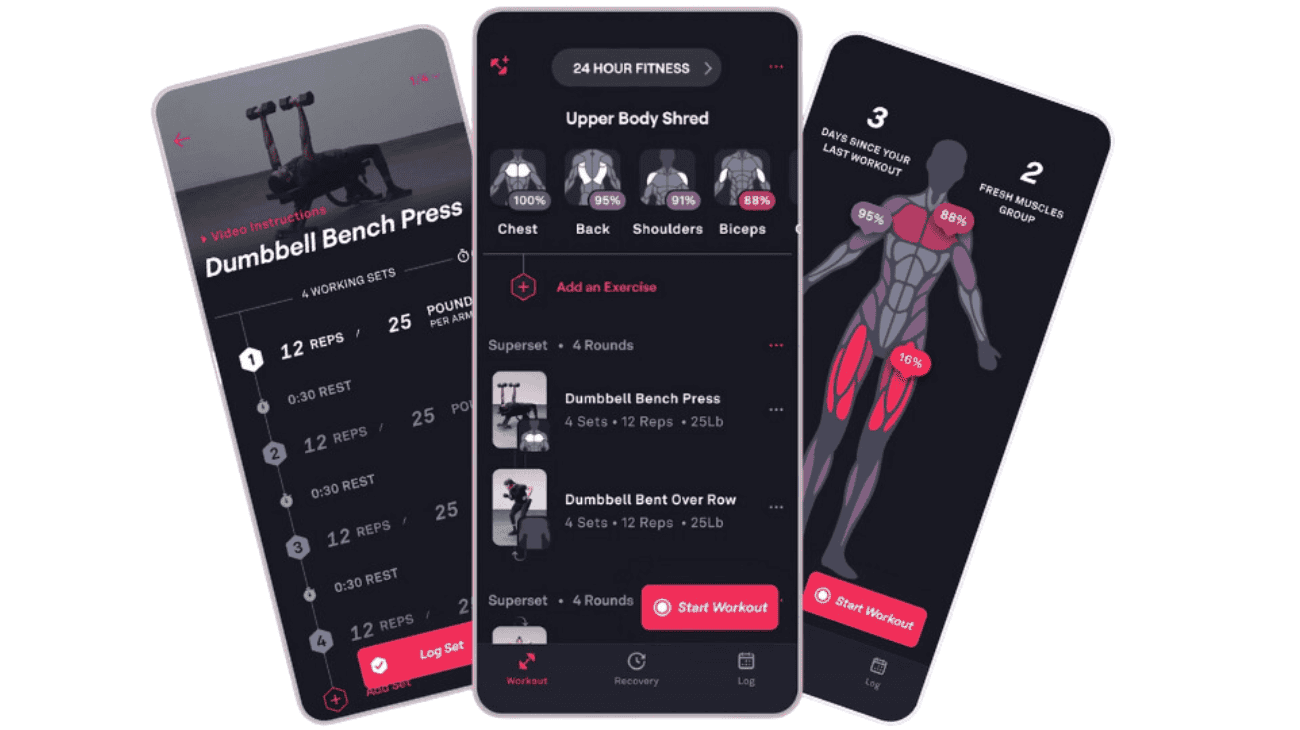
One notable example of effective hyper-personalization is Fit Bod, a fitness app, uses AI to analyze users’ sleep, activity, and stress levels, offering personalized coaching and workout recommendations. This tailored approach enhances user engagement and sets Fit Bod apart from generic fitness apps.
AI-Powered Personalization Trends
AI can analyze vast amounts of customer data in real-time, enabling brands to create personalized content not just for websites, but also for email messages and chatbots. AI will play a crucial role in making personalization even smoother and more seamless in 2025. By using AI to understand customer preferences, brands can provide personalized content more efficiently and with less manual effort.
This will result in improved customer satisfaction and higher conversion rates.
B2B Gets Personal
In 2025, personalization will become increasingly important in the B2B space. Moreover, recognizing that there’s more to people than just their professional personas, B2B companies will need to adapt to the deeper layers of their target audience to effectively generate sales. This is particularly important given the typically longer sales cycles and larger contracts in B2B.
By recognizing and addressing the unique personalities, hobbies, and interests of decision-makers, B2B brands can strengthen relationships and boost success
Privacy Meets Personalization
As privacy concerns continue to grow, advertisers will need to obtain explicit consent from users to deliver personalized ad experiences. Starting January 27, 2025, the FCC will require advertisers to get and keep written consent from consumers before using robocalls or robotexts for marketing.
Preparing for the Future of Personalization
To thrive in the era of hyper-personalization, brands must invest in AI-powered technologies and data analytics to gain a deep understanding of their customers. They should also focus on creating seamless, omnichannel experiences that deliver consistent, personalized content across all touchpoints.
Additionally, brands must also balance personalization and privacy, ensuring customers feel their data is being used responsibly and transparently. By adapting to this evolving landscape they can build lasting customer relationships and achieve long-term success.
Personalization Digital Marketing Trends to Watch
- AI-driven customer journey mapping
- Real-time personalization engines
- Privacy-first personalization strategies
- Cross-channel personalization integration
4. Cross-Channel Integration
Businesses that effectively integrate their marketing channels by adopting an omnichannel approach, where channels work together seamlessly, will see gains in their overall performance. Likewise, by leveraging AI to synchronize efforts across platforms, companies can expect up to a 35% uplift in marketing performance, according to the AI Marketing Engineers.
Increased Awareness Affects SEO Performance
Significantly, when brands successfully integrate their marketing channels and create synergy, they often experience a rise in brand queries – people searching for their brand name on Google. This is crucial, as seven of the top 10 queries on Google are brand names, such as Amazon, YouTube, Instagram, Facebook, and Gmail.
Cross-Platform Visibility
Notably, search engines increasingly factor in social content when determining rankings. As mentioned earlier, video carousels dominate more than 60% of search queries. Ubersys data also confirms that people engage with videos more than any other type of content when ranked above the fold.
Even if text appears higher in the search results, users are more likely to click on a video. This highlights the importance of cross-platform visibility, ensuring your brand is present and consistent across various channels, including Instagram, TikTok, and YouTube.
As digital marketing trends continue to evolve, the integration of marketing channels has become more crucial than ever. These digital marketing trends in channel integration show that businesses adopting an omnichannel approach see:
- 35% higher customer retention rates
- 40% increase in average order value
- 25% improvement in marketing ROI
5. Phygital Shopping Experience
Among the leading digital marketing trends 2025, the convergence of physical and digital retail experiences stands at the forefront. This demonstrates how brands are mastering the “phygital” approach, representing one of the most significant digital marketing trends reshaping consumer experiences.
Understanding Phygital Digital Marketing Trends
Digital marketing trends specialist Rachel Chen explains, “The latest digital marketing trends in phygital retail represent the future of shopping. These digital marketing trends in 2025 show consumers demanding seamless transitions between online and offline experiences.”
Global retail chains are taking this concept further. H&M’s mall locations in Dubai showcase how interactive displays can transform store navigation, allowing customers to locate specific products across multiple store locations instantly.
McDonald’s: Pioneering Phygital Experiences
The latest digital marketing trends in quick-service retail show McDonald’s self-service kiosks exemplifying the future of Phygital. Their implementation of these experiences has resulted in:
- 40% increased customer satisfaction
- 30% higher average order value
- 25% faster service times
6. Digital Ads are Getting a Makeover
Among the most innovative digital marketing trends of= 2025, advertising formats are undergoing a revolutionary transformation. These emerging digital marketing trends show how AI and visual technology are reshaping the advertising landscape, representing one of the most significant digital marketing trends in consumer engagement.
Augmented Reality Ads in 2025 Digital Marketing Trends
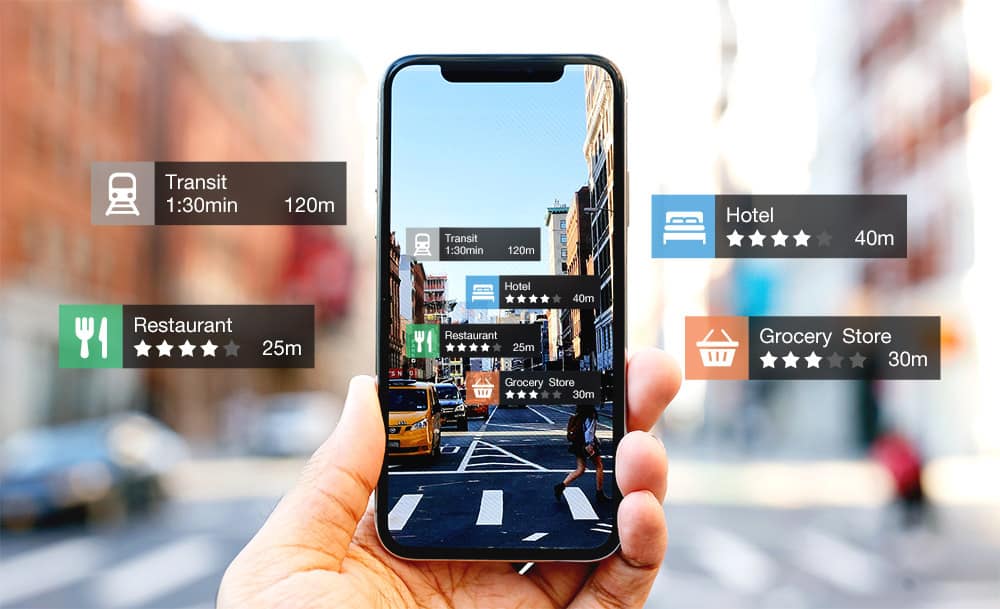
Augmented reality (AR) ads allow advertisers to overlay digital visual elements and sound in a real-world setting, creating an immersive and interactive experience for consumers. AR ads enable real-time interactions with products, helping consumers make more informed purchasing decisions and increasing their confidence in the products they buy.
As digital advertising continues to evolve in 2025, marketers must stay up-to-date with the latest ad formats and features to effectively reach and engage their target audiences. By embracing visual, interactive, and AI-powered ad experiences, advertisers can create more compelling campaigns that drive better results and improve the overall consumer experience.
7. Ethical and Inclusive Marketing
In 2025, ethical and inclusive marketing will be more important than ever as consumers increasingly align their purchasing decisions with their values. Brands that demonstrate a commitment to social responsibility, sustainability, and inclusivity will resonate more deeply with their target audiences.
Marketing with Integrity and Purpose
Brands will need to ensure that their marketing efforts have a clear purpose and are grounded in integrity. Coca-Cola serves as a great example, showcasing their logo crumpled up to encourage recycling. Furthermore, Starbucks dedicates a page to putting people first, discussing topics like the environment, sustainability, and social equity. Additionally, if these issues are important to a brand’s customers, it’s crucial to leverage them and be relatable, or risk losing customers to competitors who do.

Aligning with Causes that Matter
In 2025, successful brands will align their goals and messaging with causes that matter to their audience, connecting on a deeper, values-based level. Some key areas of focus will include:
- Environmental sustainability: Promoting eco-friendly practices and products
- Social equity: Advocating for fairness and equality in society
- Community support: Giving back to local communities and supporting initiatives that benefit them
Moreover, according to a PwC study, 80% of consumers are willing to pay more for sustainably produced goods, highlighting the growing importance of these issues.
Embracing Inclusivity in Marketing
Inclusivity in marketing means representing diverse groups of people in advertising campaigns and considering the needs of a wide range of consumers in product development and marketing strategies.
- Diverse Representation: This involves showcasing people from various backgrounds, ethnicities, ages, sizes, abilities, and genders in marketing materials.
- Accessibility: Ensuring that marketing materials are accessible to people with disabilities, such as providing captions for videos or using screen-reader-friendly website designs.
Diverse Representation and Accessibility
Inclusivity in marketing will remain a top priority, with brands ensuring diverse representation in their campaigns and making their content accessible to all. Likewise, this includes featuring people from various backgrounds, ethnicities, ages, sizes, abilities, and genders, as well as providing captions for videos and using screen-reader-friendly website designs.
Balancing Profit and Purpose
While finding a balance between ethical practices and profitability can be challenging, it will be essential for building long-term brand loyalty and trust. Brands must be transparent about their business practices and take responsibility for the impact of their marketing campaigns.
The Future of Ethical and Inclusive Digital Marketing in 2025
In 2025, ethical and inclusive marketing will no longer be optional – it will be a necessity. As technology advances, tools like AI and data analytics will help brands better understand diverse consumer needs and create more personalized, inclusive content. Brands that fail to adapt to this new reality risk being left behind as consumers increasingly choose to support companies that align with their values.
By prioritizing integrity, purpose, and inclusivity, brands can build stronger connections with their customers and thrive in the years to come.
8. Video Marketing
Video marketing remains one of the most impactful digital marketing trends in 2025 and 2024. The digital landscape. Its power to engage and inform makes it an effective way for brands to meaningfully connect with audiences.
The Power of Video Content
Video’s blend of sight and sound engages viewers and delivers messages more memorably than other content formats.
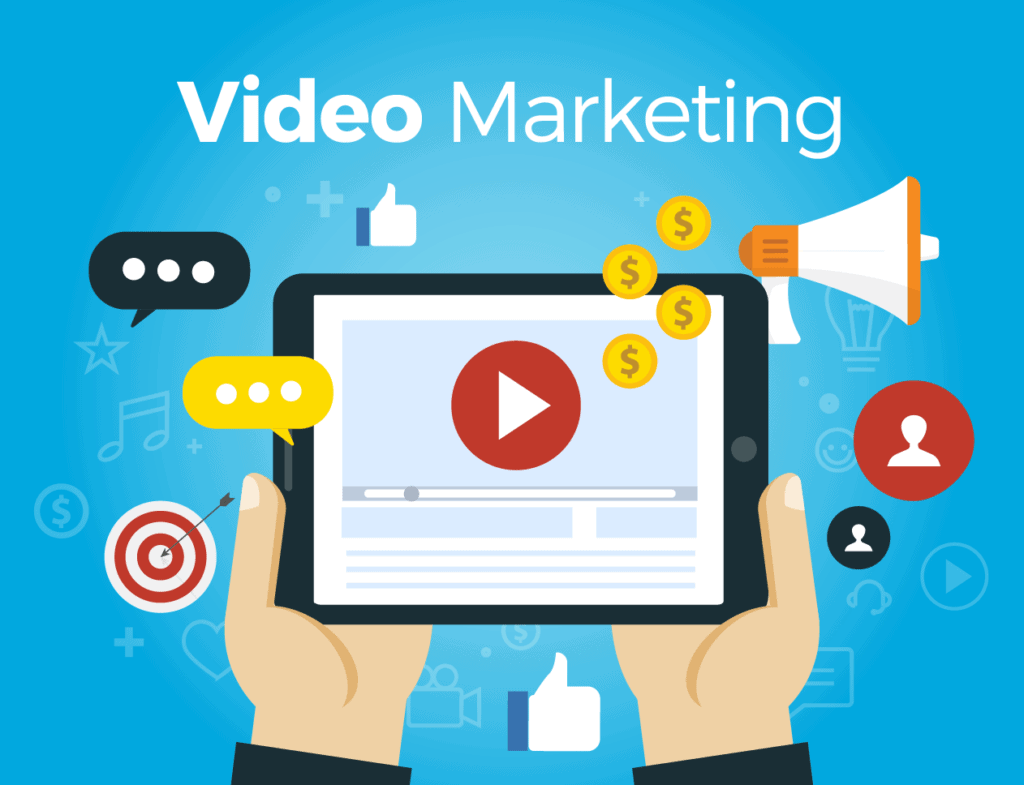
Types of Video Marketing
- Explainer Videos: These videos are designed to explain a product, service, or concept in an easy-to-understand manner. They are often animated and can be particularly effective in simplifying complex ideas.
- Brand Storytelling: Brand videos that share company values and stories forge emotional connections with viewers.
- Product Demos and Reviews: Showing a product in action or sharing reviews can significantly influence purchasing decisions.
- Live Streaming: Live videos on platforms like Facebook, Instagram, and YouTube offer real-time engagement, making them a powerful tool for events, Q&A sessions, and behind-the-scenes glimpses.
- User-Generated Content: Encouraging customers to create their own videos related to a brand or product can boost authenticity and trust.
The Rise of Short-Form Video Content
Platforms like TikTok and Instagram Reels have popularized short-form video content. These brief, often creative videos are highly shareable and can quickly go viral, offering significant exposure for brands.
Video SEO
Just like traditional content, videos need to be optimized for search engines to increase visibility.Videos should use keywords in titles, descriptions, and tags across popular platforms.
Challenges in Video Marketing
- Creating High-Quality Content: Producing engaging and high-quality video content requires resources, including equipment, editing skills, and creative planning.
- Staying Relevant: Brands must adapt to changing video trends in digital marketing to stay engaging.
- Measuring ROI: Tracking video marketing success requires clear goals and metrics.
Future Trends in Video Marketing
Video marketing’s future will feature interactive content and immersive AR/VR experiences. Consequently, personalization in video content where videos are tailored to individual viewer preferences, is also expected to rise.
Video-First Digital Marketing Trends
In 2025 video will continue to be a dominant force. These trends demonstrate:
- Professional platforms embracing social features
- Traditional networks adopting short-form video
- Platforms prioritizing video-based engagement
9. The Metaverse
The Metaverse is a network of 3D virtual spaces where users interact, work and play together using VR and AR technology.
Marketing Opportunities in the Metaverse
- Brand Experiences and Virtual Spaces: Companies can create immersive brand experiences in the Metaverse. Virtual showrooms and events let customers interact with products and experiences in 3D online.
- Virtual Goods and NFTs: The Metaverse opens up opportunities for selling virtual goods. Brands can offer exclusive digital assets like NFTs in virtual spaces.
- Enhanced Customer Engagement: The Metaverse allows for deeper levels of customer engagement. Brands can create more engaging experiences than traditional platforms.
Challenges in Marketing within the Metaverse
- Navigating a New Environment: The Metaverse is a relatively new and continuously evolving space. Marketers need to understand its dynamics and user behavior, which can be vastly different from traditional digital marketing platforms.
- Technical and Creative Demands: Creating compelling content in the Metaverse requires a blend of technical know-how and creative design. Brands need to invest in the right talent and technology to build engaging virtual experiences.
- Privacy and Security Concerns: As with any digital platform, the Metaverse raises concerns about data privacy and security. Brands will need to navigate these challenges carefully to build trust with their audience.
The Future of the Metaverse in Marketing
The potential of the Metaverse in marketing is immense. As technology advances, we can expect more seamless integration of AR and VR, leading to more immersive and interactive experiences. The Metaverse offers brands new ways to connect with audiences through immersive 2025 digital trends in digital marketing and experiences.
Preparing for the Metaverse
For businesses looking to step into the Metaverse, the key is to start small and learn. Experimenting with AR and VR, understanding the audience within these spaces, and staying updated with technological advancements are crucial steps. As the Metaverse grows, it will offer a new canvas for creative and innovative marketing strategies.
10. Influencer Marketing
Most importantly influencer marketing has evolved significantly in recent years, becoming a key strategy in digital marketing trends and campaigns. Consumer habits have shifted toward authentic content across social platforms.
Understanding Influencer Marketing
Influencer marketing partners with social media personalities whose audience trust and influence can drive purchasing decisions.
The Shift to Micro and Nano Influencers
The shift to smaller influencers, influencers with 1,000-100,000 followers has taken off and often drives more engagement through niche, authentic content than celebrity influencers.
Authenticity and Transparency
Consumers are increasingly seeking authenticity and transparency in marketing. Authentic influencers who truly connect with their followers drive more sales. This shift has led brands to focus on building long-term relationships with influencers whose values align with their own.
Diversifying Platforms
Instagram and YouTube lead influencer marketing, but TikTok, Twitch, and LinkedIn are rising. Each platform caters to different audiences and content styles, allowing for more targeted influencer campaigns.
Challenges in Influencer Marketing
- Finding the Right Influencer: A mix of micro and nano influencers can expand audience reach.
- Measuring Impact: Quantifying the success of influencer marketing campaigns can be difficult. Brands need to establish clear metrics and goals to effectively measure ROI.
- Navigating Regulations: Influencer marketing must follow ad disclosure rules to maintain trust and compliance.
Strategies for Effective Influencer Marketing
- Building Relationships: Successful influencer marketing is based on strong relationships. Brands should focus on building long-term partnerships rather than one-off campaigns.
- Co-Creating Content: Collaborating with influencers in the content creation process can lead to more authentic and effective campaigns.
- Leveraging User-Generated Content: Encouraging influencers to create user-generated content can enhance authenticity and engagement.
- Diversifying Influencer Mix: A mix of micro and nano influencers can expand audience reach.
The Future of Influencer Marketing
Interactive content engages users by responding to their direct input. For that reason we can expect increased use of AI and data analytics for better influencer matching and campaign optimization. In conclusion, as new social media platforms emerge and evolve, influencer marketing strategies will need to adapt accordingly.
11. Interactive Content and Micro-Moments in Digital Marketing
Interactive content and micro-moments are revolutionizing digital marketing by engaging users during key moments of their online experience.
Understanding Interactive Content
Successful content is content that actively responds to user input rather than passive consumption. This can include quizzes, polls, interactive infographics, augmented reality experiences, and more. The key is that these formats invite the user to participate, creating a more engaging and memorable experience.
Types of Interactive Content
- Quizzes and polls engage users with personalized results.
- Interactive videos let viewers choose paths and respond to content.
- AR overlays digital elements on reality for virtual try-ons and visualization.
- Calculators and tools help users solve specific problems.
The Power of Micro-Moments
Micro-moments are when people use devices to instantly learn, do, find, watch, or buy something.These moments are critical touchpoints within the consumer journey and present opportunities for brands to influence decisions.

Capitalizing on Micro-Moments
- Understanding Consumer Intent: Brands must identify why consumers visit their platforms – whether to learn, buy, or be entertained.
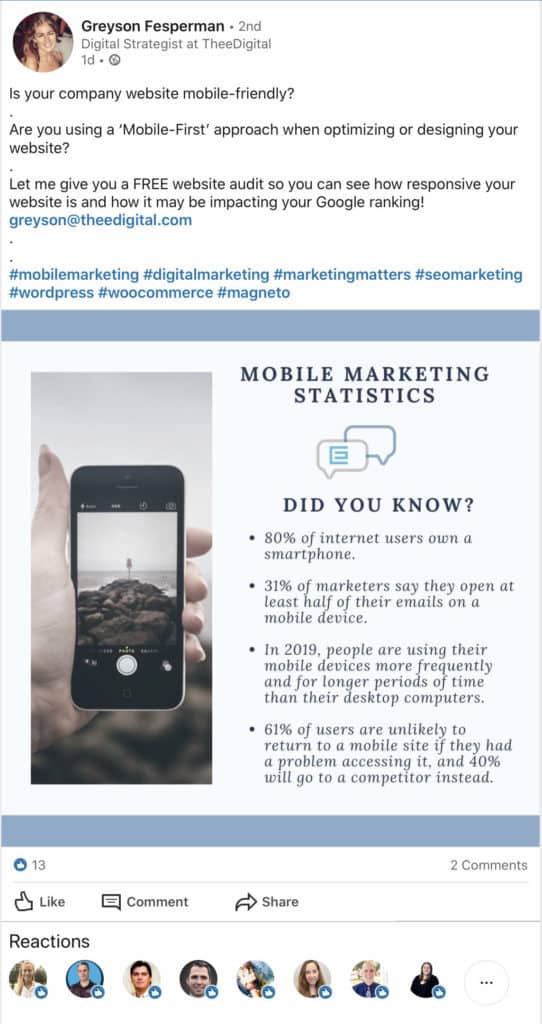
- Optimizing for Mobile: Given that most micro-moments occur on mobile devices, having a mobile-optimized platform is crucial. This includes fast loading times, easy navigation, and a seamless user experience.
- Content Relevance and Speed: In micro-moments, consumers expect quick and relevant responses. Content should be optimized to provide immediate answers or solutions.
Challenges in Leveraging Interactive Content and Micro-Moments
- Creating Quality Interactive Content: Developing engaging and high-quality interactive content requires creativity, technical skills, and often, a higher budget.
- Data Privacy Concerns: Collecting data through interactive content must be done with respect for privacy laws and consumer preferences.
- Analyzing Performance: Interactive content and micro-moment success requires sophisticated tracking and analysis.
The Future of Interactive Content and Micro-Moments
Essentially micro-moments will also evolve with changing consumer behaviors and technological advancements.
12. Push Notifications and SMS Marketing in Digital Marketing
Mobile notifications and SMS marketing provide direct, instant ways to reach consumers. Consequently, these channels are particularly effective for time-sensitive communication, personalized alerts, and fostering ongoing customer relationships.
Understanding Push Notifications
Push notifications are messages that pop up on a mobile device or desktop from apps or websites. Therefore they’re used to deliver various types of content, including promotional offers, reminders, breaking news, or personalized updates. The key advantage of push notifications is their immediacy and visibility, making them hard to miss.
Advantages of Push Notifications
- Immediate Engagement: Push notifications are delivered in real-time, making them ideal for time-sensitive messages.
- High Visibility: Most Push notifications command more attention than other digital messages by appearing directly on screens.
- Personalization: They can be personalized based on user behavior, preferences, and location, increasing relevance and effectiveness.
Strategies for Effective Push Notifications
- Opt-In Approach: Users must be allowed to opt in to notifications to maintain privacy and control.
- Segmentation and Targeting: Sending notifications based on user interests, behavior, and demographics can significantly increase engagement rates.
- Timing and Frequency: Push notifications must be carefully timed and paced to prevent user fatigue.
Understanding SMS Marketing
SMS marketing involves sending promotional campaigns or transactional messages for marketing purposes using text messages. Push and SMS messages deliver offers and updates to customers who opt in.
Advantages of SMS Marketing
- Wide Reach: With the vast majority of the population owning mobile phones, SMS has a broad reach.
- High Open Rates: SMS messages have higher open rates than email.
- Direct Communication: SMS allows for direct communication with the customer, which can be more personal and effective.
Strategies for Effective SMS Marketing
- Consent is Key: Always obtain consent before sending SMS messages to ensure compliance with regulations and respect for customer preferences.
- Clear and Concise Messages: Keep messages short, clear, and to the point, with a strong call to action.
- Integration with Other Channels: Combine SMS with other marketing channels for a cohesive marketing strategy.
Challenges in Push Notifications and SMS Marketing
- Maintaining Relevance: Ensuring that messages are relevant and valuable to the recipient is crucial to avoid opt-outs.
- Regulatory Compliance: Both push notifications and SMS marketing are subject to various regulations, which marketers need to adhere to.
- Balancing Frequency and Impact: Finding the right frequency of messages to maintain engagement without being intrusive can be challenging.
The Future of Push Notifications and SMS Marketing
As technology evolves, we can expect more advanced targeting and personalization capabilities in both push notifications and SMS marketing. The integration of AI and machine learning could lead to more sophisticated and automated messaging strategies.
13. NFTs and Cryptocurrency in Marketing
The integration of Non-Fungible Tokens (NFTs) and cryptocurrency into marketing strategies represents a cutting-edge trend in the digital landscape. These technologies redefine digital ownership, enabling fresh brand engagement and customer interaction.
Understanding NFTs Trends in Digital Marketing
NFTs are unique digital assets verified using blockchain technology, which ensures their authenticity and ownership.
Applications of NFTs in Marketing
- Digital Collectibles: Brands can create limited-edition digital collectibles, enhancing customer loyalty and engagement.
- Brand Experiences: NFTs can offer exclusive access to events, promotions, or experiences, adding a new dimension to customer interaction.
- Authenticity and Exclusivity: NFTs provide a way to authenticate digital assets, making them exclusive and potentially more valuable.
Challenges with NFTs in Marketing
- Understanding and Adoption: The concept of NFTs can be complex, and widespread consumer understanding and adoption are still developing.
- Environmental Concerns: The energy consumption associated with blockchain and NFTs has raised environmental concerns, which brands need to consider.
Cryptocurrency in Digital Marketing Trends
Cryptocurrency, a digital or virtual currency that uses cryptography for security, is becoming an increasingly popular payment method. Its integration into marketing strategies can offer several benefits.
Advantages of Cryptocurrency in Digital Marketing
- New Payment Options: Accepting cryptocurrencies can attract a tech-savvy audience and open up new markets.
- Global Reach: Cryptocurrencies can facilitate easier international transactions, expanding the potential customer base.
- Brand Innovation: Using cryptocurrency can position a brand as innovative and forward-thinking.
Challenges in Cryptocurrency Digital Marketing
- Volatility: The value of cryptocurrencies can be highly volatile, which can be a risk for both businesses and consumers.
- Regulatory Uncertainty: The regulatory landscape for cryptocurrencies is still evolving, posing challenges for compliance.
- Security Concerns: While secure, cryptocurrencies are not immune to cyber threats, requiring robust security measures.
Future Digital Marketing Trends in NFTs
The future of NFTs and cryptocurrency in marketing is likely to see more widespread adoption as understanding and infrastructure improve. Marketing campaigns will increasingly use NFTs creatively, while cryptocurrencies become more accepted as payment methods.
14. Privacy, Cookies, and Data Security in Digital Marketing
Digital marketing will continue to focus more on advanced privacy measures, requiring marketers to adapt quickly to maintain trust while staying competitive
Understanding the Importance of Privacy in Digital Marketing
The protection of personal data in marketing activities defines digital privacy standards. This includes data obtained through websites, social media, apps, and other digital platforms.
The Role of Cookies
Cookies are small pieces of data stored on a user’s device used to remember information about visitors and their preferences. They play a crucial role in enabling personalized marketing experiences but have come under scrutiny for privacy concerns.
- Types of Cookies: There are various types of cookies, including session cookies, persistent cookies, and third-party cookies, each serving different functions.
- Consent and Compliance: With regulations like GDPR and CCPA, obtaining user consent for cookies has become a critical aspect of compliance.
Data Security in Digital Marketing
Data security involves protecting digital data, such as those collected in marketing campaigns, from unauthorized access, corruption, or theft throughout its lifecycle.
- Encryption and Secure Data Storage: Employing encryption and secure data storage practices is essential to protect sensitive customer information.
- Regular Security Audits: Conducting regular security audits can help identify and address vulnerabilities in data security.
Challenges in Balancing Marketing and Privacy
- Adapting to Regulatory Changes: Staying compliant with evolving data protection laws and regulations is a constant challenge for marketers.
- Consumer Trust: Maintaining consumer trust requires transparency in how data is collected, used, and protected.
- Technological Adaptation: Adapting marketing strategies in response to privacy-focused changes in technology, like cookie-less browsers and enhanced privacy settings, is becoming increasingly important.
Strategies for Privacy-Compliant Marketing
- Privacy-First Approach: Adopting a privacy-first approach in marketing strategies, ensuring that customer data is collected and used ethically and transparently.
- Educating Consumers: Providing clear information to consumers about how their data is used and the benefits it brings can help in gaining their trust and consent.
- Investing in Privacy Tech: Leveraging technology solutions that enhance privacy compliance can be a wise investment for long-term success.
The Future of Privacy in Digital Marketing
The future of digital marketing trends will likely see a continued emphasis on privacy, with more sophisticated privacy technologies and strategies emerging. Marketers will need to be agile and proactive in adapting to these changes to stay competitive and maintain consumer trust.
Digital Marketing Trends Implementation: How Busineses Should Adapt Their 2026 Strategy
Digital marketing in 2026 demands a shift from channel-by-channel tactics to a unified strategy built around visibility, authority, and trust across every surface where users discover information. Because AI platforms now influence purchasing decisions before a user ever visits a website, businesses must create content ecosystems and data structures that help generative engines interpret—and cite—their expertise accurately.
The most successful brands emphasize clarity, depth, and consistency across their entire digital footprint. That means content designed for machine readability, first-party data powering personalization, and a unified identity spanning search, social, video, and AI assistants. It’s no longer enough to publish isolated assets; the ecosystem must signal expertise through recurring themes, entities, and formats that AI tools can recognize with confidence.
- Assess current capabilities
- Incorporate AI tools
- Build owned channels
- Test and iterate
| Step | Action |
|---|---|
| 1 | Asset evaluation |
| 2 | Trend integration |
| 3 | Goal alignment |
| 4 | Content testing |
Implementation Roadmap for Digital Marketing Trends
To effectively leverage these digital marketing trends, focus on three key phases:
Looking Ahead
Digital marketing in 2026 is not about chasing every shiny trend. It’s about using AI, data, and omnichannel execution to deepen customer relevance and improve capital efficiency. The winning organizations treat digital marketing as a strategic discipline that connects product, brand, sales, and operations—not just as “traffic generation.
Need help implementing these digital marketing trends into your strategy?
Our marketing experts can help! Get in touch by calling 919-341-8901
Digital Marketing Trends FAQs
The key digital marketing trends to prioritize include AI integration, search everywhere optimization, voice search, visual search, and platform convergence. However, the most important trends for your business will depend on your specific industry, target audience, and business goals. We recommend starting with AI implementation and search optimization as these digital marketing trends form the foundation for other advanced strategies.
Digital marketing trends in 2026 show significant advancement in several areas:
– AI has evolved from basic implementation to sophisticated integration
– SEO has expanded from traditional focus to search everywhere optimization
– Voice search capabilities have become more advanced and widespread
– Visual search has progressed from basic to advanced recognition systems
– Platform integration has replaced previous platform separation
– Personalization has become more sophisticated
Investment in digital marketing trends should be strategic and aligned with your business objectives. Industry benchmarks suggest allocating 12-20% of your revenue to digital marketing, with about 30% of that budget dedicated to emerging digital marketing trends. However, start with pilot programs to test which trends deliver the best ROI for your specific situation.
Small businesses can effectively implement digital marketing trends by:
1. Prioritizing trends most relevant to their target audience
2. Starting with one or two key trends rather than trying to implement everything
3. Utilizing AI-powered tools to automate and scale efforts
4. Focusing on cost-effective strategies like voice search optimization
5. Leveraging existing platforms’ new features rather than building from scratch
Digital marketing trends evolve continuously, major shifts typically occur annually. However, some digital marketing trends, like AI and machine learning, represent longer-term transformations that continue to develop over several years. It’s important to stay informed about emerging trends while focusing on sustainable, long-term strategies.
ROI varies depending on the specific digital marketing trends implemented and how effectively they’re executed. However, businesses successfully implementing these trends typically see:
– 25-30% increase in conversion rates through AI-powered personalization
– 20% improvement in search visibility through search everywhere optimization
– 15-20% increase in engagement through voice search optimization
– 30% higher customer retention through integrated platform strategies
Digital marketing trends affect industries differently:
– E-commerce: Heavy focus on social commerce and visual search trends
– B2B: Emphasis on AI-driven personalization and platform integration
– Healthcare: Priority on voice search and privacy-focused marketing trends
– Retail: Focus on phygital experiences and visual search capabilities
– Finance: Emphasis on AI-powered personalization and security features
To effectively implement digital marketing trends, teams need:
– Data analysis capabilities
– AI and machine learning understanding
– Voice and visual search optimization skills
– Cross-platform marketing expertise
– Privacy and security knowledge
– Automation tool proficiency
Not adopting current digital marketing trends can lead to:
– Decreased market visibility
– Reduced competitive advantage
– Lower customer engagement
– Missed revenue opportunities
– Difficulty catching up as trends advance further
Tags: Our Favorites • Digital Marketing
Shyanna Kelley
Shyanna collaborates with sales on lead generation efforts and planning and developing compelling digital assets for TheeDigital.