
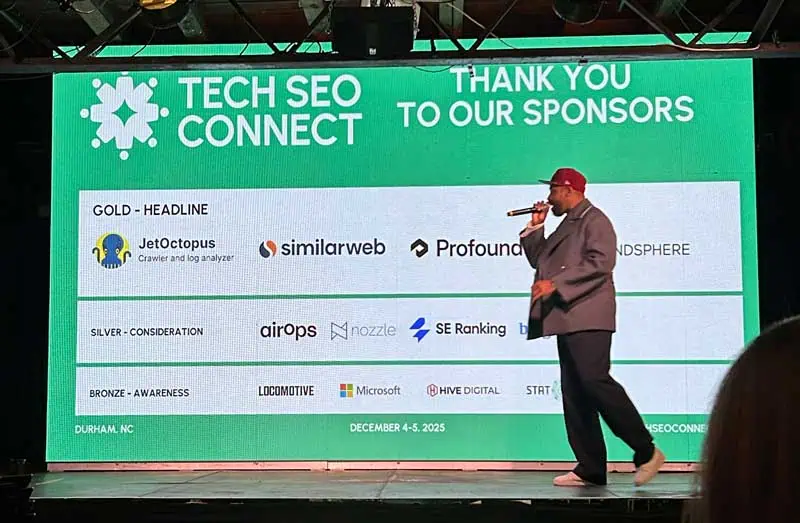
Our team at TheeDigital recently had the opportunity to attend TechSEO Connect, one of the industry’s premier conferences focused on the intersection of technical SEO and artificial intelligence. The event brought together leading experts to discuss how AI is fundamentally changing the way search engines work, and what that means for businesses trying to reach their customers online.
Beyond the wealth of knowledge shared, TechSEO Connect created a unique atmosphere that made learning even more enjoyable. Between sessions, we had the delightful opportunity to meet adoptable puppies from The Puppy Collective and Perfectly Imperfect Pups. Nothing beats a puppy break to recharge before diving into the next presentation! We also got creative building custom LEGO figurines, enjoyed excellent food and beverages throughout the event, and connected with fellow marketers at the engaging after-parties. It’s rare to find a conference that balances serious professional development with such thoughtful touches that make the experience memorable.

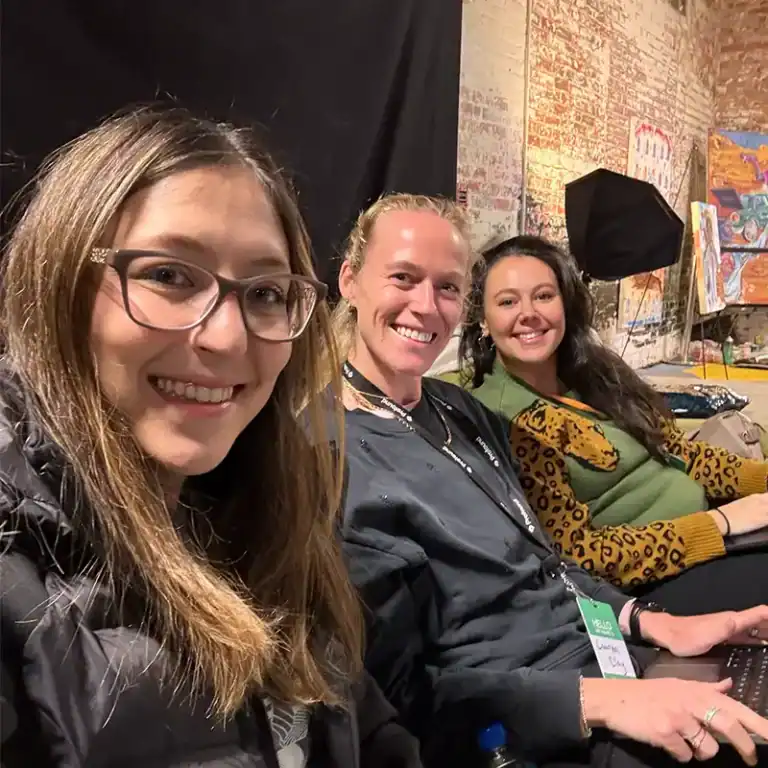
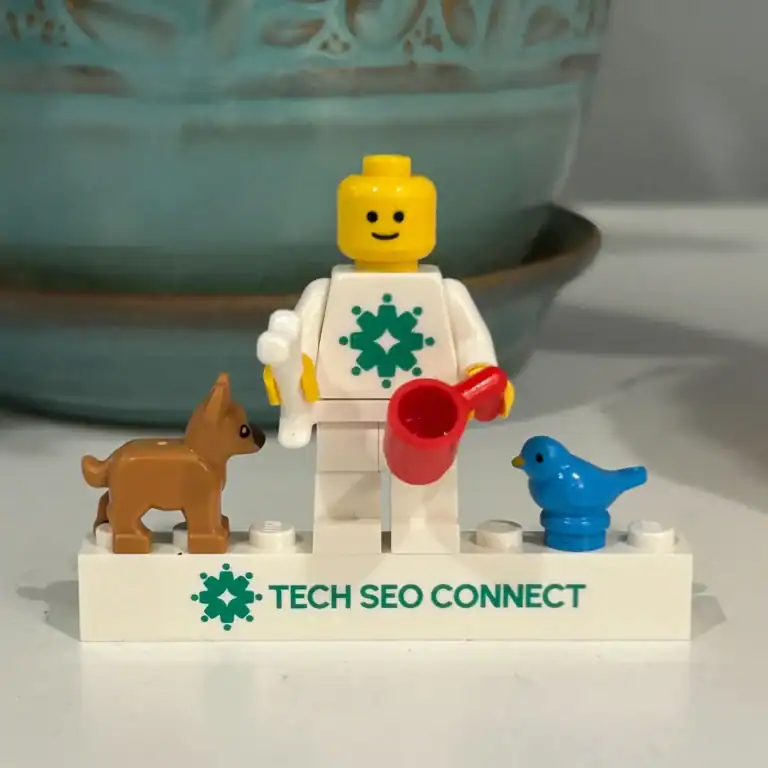
The conference was exceptionally well-organized, featuring presentations from industry thought leaders who shared actionable insights on everything from AI crawlers to video marketing strategies. Our entire team came away energized and equipped with practical strategies we’re already implementing for our clients.
Here are the key takeaways that business owners should know about the evolving digital landscape:
AI Is Changing How Search Works
The most significant shift in search isn’t just that AI is providing answers; it’s how AI systems retrieve and synthesize information. Traditional search rankings are no longer the sole determinant of visibility. According to research presented at the conference, being ranked #1 in traditional search results only gives you a 20-25% chance of appearing in AI-generated answers.
What this means for your business: Your content needs to be optimized not just for search engine rankings, but for how AI systems understand and retrieve information. This includes using structured data (schema markup), ensuring your content directly answers questions, and maintaining fresh, authoritative information.
Content Depth Matters More Than Ever
One of the most interesting insights came from research on “query fan out,” the phenomenon where AI systems take a single user question and break it into 5-10 detailed sub-questions to gather comprehensive context before providing an answer.
For example, if someone asks, “How much does window replacement cost in Raleigh?” AI systems are simultaneously searching for answers about cost by materials, repair versus replacement options, energy rebates, installation timeframes, and more.
What this means for your business: Your content pages need to comprehensively address not just the main topic, but all related questions a customer might have. This isn’t about making pages longer, it’s about making them more complete and useful.
Recency Bias Is Real
Analysis of millions of AI search responses revealed a striking pattern: 50% of content cited by AI systems is less than 13 weeks old, and 75% is less than seven to eight months old. This represents a dramatic shift from traditional SEO, where well-established content could maintain visibility for years.
What this means for your business: Regular content updates are no longer optional; they’re essential. Older content needs to be refreshed with current information, new perspectives, and recent data to remain competitive in AI-powered search results.
Video Content Is Your Shortcut to AI Visibility
Perhaps the most actionable insight from the conference came from video SEO expert Cindy Krum: YouTube has become a top citation source for AI language models, and videos can now appear directly in AI-generated answers. Even more significant, 45% of Gen Z users prefer searching on platforms like Instagram or TikTok rather than traditional search engines.
What this means for your business: If you’re not creating short-form video content, you’re missing a major opportunity. The good news is that these don’t need to be highly produced; authenticity and engagement matter more than production value. Post consistently (3-5 times per week), hook viewers in the first 3 seconds, and keep videos between 7-15 seconds for maximum impact.
Technical Foundation Remains Critical
While AI is changing how search works, technical fundamentals matter more than ever. Several presentations emphasized that AI crawlers have limitations; many can’t read JavaScript effectively, they experience “session throttling” (becoming less effective the longer they crawl), and content deeper than three clicks from your homepage may be invisible to them.
What this means for your business: Ensure your website’s technical foundation is solid. This includes using schema markup (structured data) to help AI understand your content, keeping important information within three clicks of your homepage, and monitoring server logs to see which AI bots are accessing your site.
Schema Markup Can Correct AI Hallucinations
One of the most promising revelations was that properly implemented schema markup (structured data) can actually correct AI hallucinations, those instances where AI systems make up incorrect information about your business. Knowledge graphs built with schema markup provide AI systems with accurate, structured information they can trust.
What this means for your business: Implementing FAQ schema, product schema, and other structured data types is no longer a “nice to have,” it’s essential for ensuring AI systems represent your business accurately. This is particularly important for establishing entity connections between your products, people, and content.
Data-Driven Decision Making Is Essential
Multiple speakers emphasized that traditional SEO metrics like rankings and click-through rates no longer tell the complete story. With zero-click searches and AI-generated answers, businesses need to triangulate data from multiple sources, including Google Analytics, Search Console, log files, and AI citation tracking, to understand true performance.
Brie Anderson introduced us to the BEAST cycle (Benchmarking, Explore, Analyze, Strategize, Test & Track), a scientific approach to SEO strategy that emphasizes continuous testing rather than one-time implementations.
What this means for your business: Every marketing initiative should have clear benchmarks and measurable goals. Success in the AI era requires ongoing testing, analysis, and adaptation rather than “set it and forget it” strategies.
Think in Systems, Not Campaigns
One of the most strategic insights came from the presentation on growth systems: sustainable growth comes from building interconnected content systems rather than running isolated campaigns. When your email content links to your videos, your videos drive people to your blog posts, and your blog posts build your email list, each channel reinforces the others and creates compounding growth.
What this means for your business: Instead of thinking about individual marketing tactics in isolation, consider how all your content and channels can work together as a unified system. This approach requires more upfront planning but generates exponentially better long-term results.
Moving Forward
The landscape of digital marketing is changing rapidly, but the core principle remains the same: provide genuine value to your audience. The difference is that “value” now needs to be structured, comprehensive, fresh, and accessible to both human users and AI systems.
At TheeDigital, we’re already implementing these insights for our clients, focusing on practical, high-impact changes that drive real business results. The conference reinforced that while the technology is evolving, the businesses that succeed will be those that commit to continuous learning, testing, and adaptation.
Ready to Adapt Your Digital Strategy?
At TheeDigital, we stay on the cutting edge of AI and search evolution so you can focus on running your business. Schedule a consultation with our team to discuss how these insights can drive real results for your company.
Tags: Search Engine Optimization • Our Favorites • Community