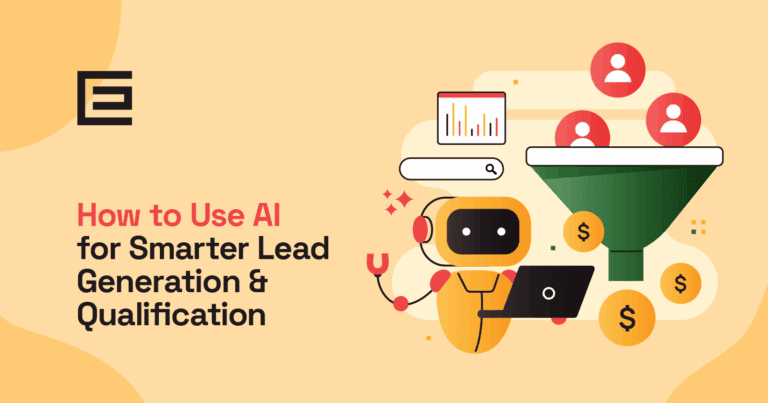
AI-powered lead generation uses machine learning algorithms to identify, score, and qualify potential customers automatically. AI lead generation refers to the use of artificial intelligence tools such as machine learning, natural language processing, and predictive analytics to identify, qualify, and nurture potential customers.
This technology uses AI algorithms to analyze behavioral data, demographic information, and engagement patterns to predict which leads are most likely to convert, reducing time consuming tasks such as manual research and data entry by up to 70% while improving lead quality by 50% or more.
- Introduction to Lead Generation
- What is AI Lead Generation?
- The AI Search Advanatge: Real Business Impact
- Benefits of AI in Lead Generation
- How AI Transforms Lead Generation
- Best AI Tools for Lead Generation
- Roadmap and Infrastructure for AI Lead Generation
- Step-by-Step: Implementing AI Lead Qualification
- AI Lead Qualification: Key Metrics to Track
- Common Challenges and Solutions
- Best Practices for AI-Powered Lead Generation
- The Future of AI in Lead Generation
- AI Frequently Asked Questions

Introduction to Lead Generation
Lead generation is the cornerstone of successful sales and marketing strategies, serving as the process of attracting and engaging potential customers to drive business growth. For sales and marketing teams, effective lead generation means more than just collecting names—it’s about identifying, qualifying, and nurturing high-value prospects who are most likely to convert into loyal customers. By focusing on the right leads, marketing teams can build stronger customer relationships and maximize the impact of their campaigns.
With the rise of AI-powered lead generation, businesses can now analyze vast datasets to uncover patterns in customer behavior and pinpoint the most promising prospects. AI-powered generation tools enable organizations to streamline the lead generation process, making it more efficient, scalable, and precise. This not only helps marketing teams reach their target audience more effectively but also empowers sales teams to focus their efforts on high-value opportunities, accelerating business development and revenue growth.
What is AI Lead Generation?
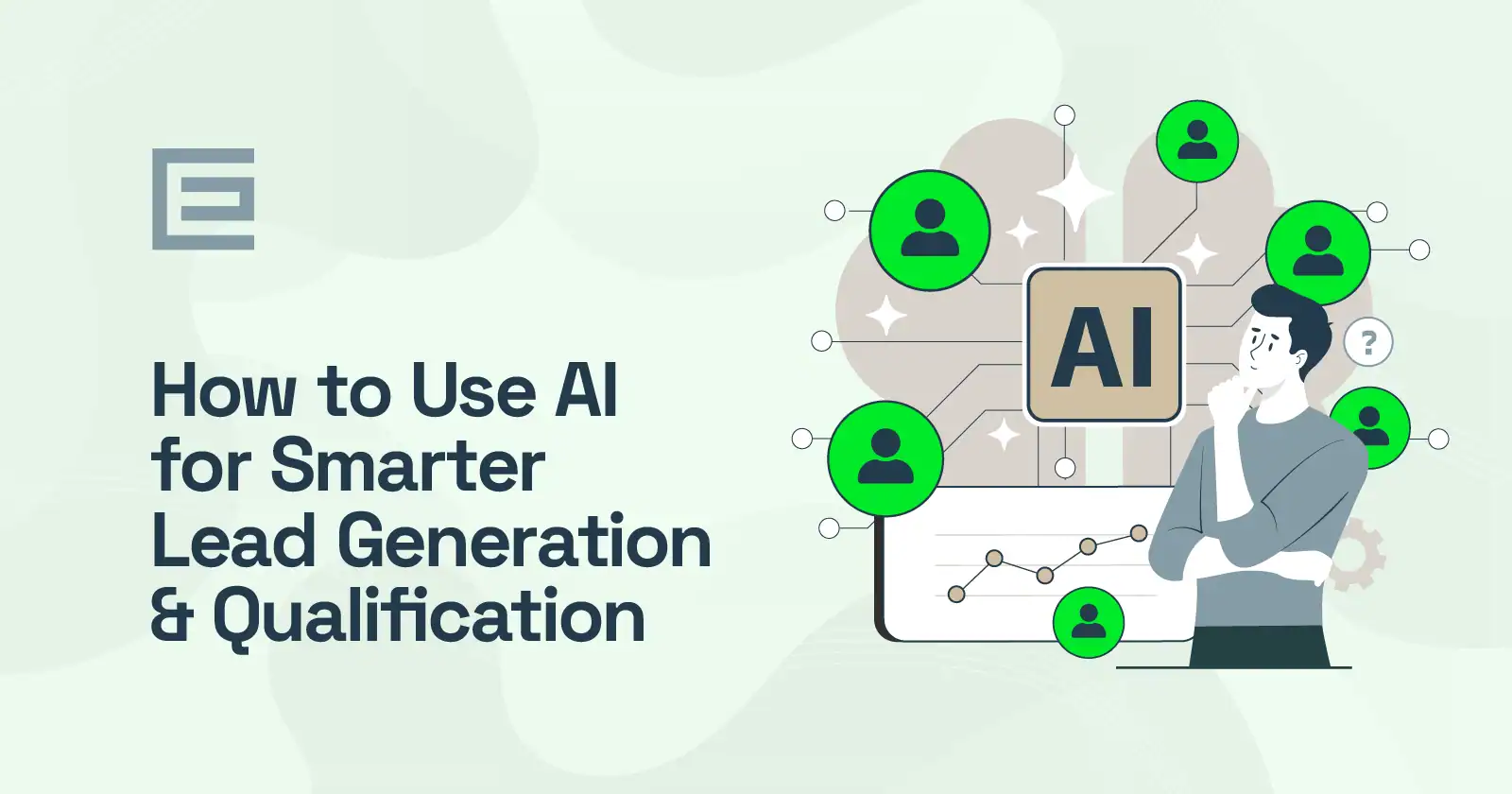
AI lead generation combines artificial intelligence technologies and machine learning to automate and optimize the process of finding and qualifying potential customers. Unlike traditional methods that rely on manual research and gut instinct, AI systems analyze thousands of data points in real-time, including lead behavior, to identify potential leads and predict their likelihood to convert. By automating lead qualification, AI lead generation tools streamline the process, making it more efficient and targeted.
Impact: Companies using AI for lead generation report 50% more qualified leads at 33% lower cost per lead, according to recent industry research. These tools provide actionable insights and actionable insights that help optimize the sales process.
Benefits of AI in Lead Generation
AI is transforming lead generation by automating key processes and enabling organizations to operate at greater speed and scale. By leveraging machine learning, businesses can analyze large volumes of data to identify the most promising leads and optimize their lead generation processes. One of the standout benefits of AI is its ability to improve lead quality and boost conversion rates through advanced lead scoring techniques.
AI-driven lead scoring evaluates potential customers based on a variety of factors, ensuring that only the most qualified leads are prioritized for follow-up. This results in higher lead quality and more efficient use of sales resources. Additionally, AI systems personalize outreach by tailoring messages, timing, and communication channels to each individual’s unique signals and preferences. This level of personalization not only increases engagement but also enhances the overall customer experience from the very first interaction.
How AI Transforms Lead Generation
1. Predictive Lead Scoring
AI analyzes historical customer data to create predictive models that score leads based on conversion probability. The system considers factors like website behavior, email engagement, social media activity, company size, industry, job titles, and lead behavior to assign accurate scores.
How it works: Machine learning algorithms identify patterns in your existing customer data, then apply these patterns to new leads. The system continuously learns and improves its accuracy over time. AI lead generation tools provide actionable insights by analyzing data and helping sales teams optimize their strategies and improve targeting.
2. Behavioral Analysis and Intent Signals
AI tools track and interpret prospect behavior across multiple channels to identify buying intent. This includes website visits, content downloads, email opens, social media interactions, and search patterns. By leveraging natural language processing and AI algorithms, these tools analyze and interpret signals to better understand and predict prospect needs.
Key signals AI detects: Repeated visits to pricing pages, downloads of product comparison guides, engagement with case studies, LinkedIn profile views, and searches for solution-related keywords. These analyses generate actionable insights for sales and marketing teams, helping them optimize engagement and targeting strategies.
3. Automated Prospect Research
AI-powered tools automatically gather and enrich lead data from multiple sources including company websites, social media profiles, news articles, and public databases using artificial intelligence technologies and ai lead generation tools. This eliminates hours of manual research per lead. The process also delivers actionable insights for prospecting, helping businesses optimize their outreach and improve targeting.
4. Personalized Outreach at Scale
AI generates personalized email content and marketing messages using natural language processing, suggests optimal contact times, and recommends the best communication channels for each prospect based on their preferences and behavior patterns. AI assistants can also support outreach by handling routine queries and managing contacts. These efforts generate actionable insights that help optimize future campaigns.
5. AI Agents and Virtual Assistants
AI agents and virtual assistants are redefining the lead generation process by delivering automated, personalized support at every stage of the customer journey. These AI-powered tools can analyze customer behavior in real time, helping sales teams identify high-value prospects and prioritize leads based on their likelihood to convert. By automating tasks such as lead qualification, scoring, and nurturing, AI agents free up human resources to focus on strategic activities that drive business growth.
AI-powered virtual assistants can engage website visitors instantly, answer customer inquiries, and qualify leads through intelligent conversations. This not only improves the efficiency of the lead generation process but also ensures that potential customers receive timely and relevant support. By leveraging AI agents, businesses can prioritize leads more effectively, nurture high-value prospects, and ultimately increase conversion rates while maintaining a high level of customer satisfaction.
Best AI Tools for Lead Generation
For Small to Medium Businesses
- HubSpot with AI features: Predictive lead scoring, chatbot automation, and content recommendations built into an all-in-one platform
- Seamless.AI: Real-time contact data verification and automated prospect discovery
- Drift: AI-powered conversational marketing and chatbot qualification, including AI assistants that provide personalized, conversational experiences to engage leads
These AI lead generation tools are ideal for small to medium businesses looking to automate and optimize their lead generation processes.
For Enterprise Organizations
- Salesforce Einstein: Advanced predictive analytics, opportunity insights, and automated lead scoring integrated with CRM. A leading example of AI lead generation tools for enterprise organizations.
- 6sense: Account-based marketing with predictive analytics and intent data.
- Conversica: AI assistants that conduct two-way email conversations with leads, providing personalized, conversational experiences to enhance customer interactions.
Roadmap and Infrastructure for AI Lead Generation
Implementing AI-powered lead generation requires a strategic approach and a solid infrastructure. The first step is to evaluate your current lead generation process to identify bottlenecks and areas for improvement. Next, select the right AI tools and generation technologies that align with your business goals and integrate seamlessly with your existing systems.
A robust infrastructure should prioritize data management, ensuring that customer data is accurate, secure, and compliant with relevant regulations. Ongoing maintenance and regular updates are essential to keep your AI-powered lead generation tools performing at their best. By investing in the right infrastructure and following a clear roadmap, businesses can unlock the full potential of AI-powered lead generation, streamline their processes, and drive significant revenue growth.
Step-by-Step: Implementing AI Lead Qualification
Step 1: Define Your Ideal Customer Profile (ICP)
Before AI can qualify leads effectively, establish clear criteria for what makes a qualified lead. Include firmographic data like company size and industry, demographic data such as job titles and seniority, and behavioral indicators including engagement levels and buying signals.
Step 2: Integrate Your Data Sources
Connect your CRM, marketing automation platform, website analytics, email marketing tool, and social media channels. AI needs comprehensive data to make accurate predictions.
Step 3: Train Your AI Model
Feed historical data into your AI system, including both successful conversions and lost opportunities. The algorithm needs examples of good and bad leads to learn effectively, as this process is powered by advanced ai algorithms and artificial intelligence technologies that leverage machine learning and predictive analytics. Most systems require at least 500-1000 historical leads for accurate predictions.
Step 4: Set Up Lead Scoring Rules
Establish scoring thresholds that determine when leads move to sales, taking into account lead behavior as part of the scoring process. For example, leads scoring 70+ go to sales immediately, 40-69 enter nurture campaigns, and below 40 receive educational content.
Step 5: Automate Lead Routing
Configure automated workflows that route qualified leads to the appropriate sales representatives (sales reps) based on territory, product expertise, or account value.
Step 6: Monitor and Optimize
Track key metrics including lead quality score accuracy, conversion rates by score range, time to conversion, and false positive/negative rates. Adjust your model monthly based on performance data, using actionable insights to guide improvements.
AI Lead Qualification: Key Metrics to Track
Tracking these metrics provides actionable insights for optimization:
- Lead Score Accuracy: Percentage of high-scored leads that convert versus low-scored leads
- Conversion Rate Improvement: Compare pre-AI and post-AI conversion rates
- Time Savings: Hours saved on manual research and qualification
- Cost Per Qualified Lead: Total marketing spend divided by qualified leads generated
- Sales Acceptance Rate: Percentage of AI-qualified leads accepted by sales team
- Velocity Increase: Reduction in time from lead capture to opportunity creation
Analyzing these metrics can provide actionable insights to improve your lead generation strategies.
Common Challenges and Solutions
Challenge: Insufficient Historical Data
Solution: Start with rule-based scoring while collecting data. Most AI systems need 6-12 months of data before predictive models become highly accurate. Consider purchasing third-party intent data to supplement your dataset.
Challenge: Data Quality Issues
Solution: Implement data hygiene protocols including regular deduplication, standardized field formats, mandatory fields for lead capture, and automated data enrichment tools.
Challenge: Sales Team Resistance
Solution: Involve sales in the setup process, provide training on how AI scoring works, support sales reps in adopting new AI-driven tools, show comparative data proving AI accuracy, and allow manual override options while tracking override success rates.
Challenge: Over-Reliance on Automation
Solution: Use AI as a tool to augment human decision-making, not replace it. Maintain human review for high-value accounts and complex buying situations, with the human team ensuring quality and strategic oversight.
Best Practices for AI-Powered Lead Generation
- Start with clean data: AI is only as good as the data it learns from. Invest in data hygiene before implementation.
- Combine multiple data sources: Integrate behavioral, demographic, firmographic, intent data, and lead behavior for the most accurate predictions.
- Continuously retrain models: Markets change, buyer behavior evolves. Retrain your AI quarterly at minimum.
- Test and iterate: Run A/B tests comparing AI-scored leads against traditional methods to validate effectiveness. AI lead generation tools can help generate actionable insights for continuous improvement.
- Maintain transparency: Ensure your sales team understands how scores are calculated and what factors influence them.
- Respect privacy: Ensure all AI data collection and analysis complies with GDPR, CCPA, and other relevant privacy regulations.
- Balance automation with personalization: Use AI to identify opportunities, but maintain human touch in actual outreach.
The Future of AI in Lead Generation
Emerging AI capabilities are reshaping lead generation further. AI lead generation tools and artificial intelligence technologies are driving new capabilities, enabling sophisticated multi-turn conversations through conversational AI that qualify leads via natural dialogue.
Predictive forecasting now helps teams anticipate which accounts will enter buying mode in the next 30-90 days by analyzing lead behavior. Hyper-personalization engines create unique content and messaging for each prospect automatically. Cross-channel orchestration coordinates touchpoints across email, social, web, and phone to optimize engagement timing.
Companies that adopt AI-powered lead generation now position themselves to capitalize on these advancing capabilities while competitors continue manual processes. These advancements will deliver even more actionable insights for businesses, helping them optimize strategies and improve customer engagement.
Frequently Asked Questions
Costs for AI lead generation tools range from free AI features in existing platforms like HubSpot’s free tier to enterprise solutions costing $2,000-$10,000+ monthly. Mid-market AI lead generation tools typically run $500-$2,000 per month. ROI usually justifies costs within 3-6 months through improved conversion rates.
Absolutely. Many platforms offer affordable AI-powered features specifically designed for small businesses. Start with AI chatbots, basic lead scoring in your CRM, or email automation tools with AI personalization. You can also leverage AI assistants, which provide conversational support, help manage contacts, and handle simple queries to enhance customer interactions.
Initial setup takes 2-4 weeks. You’ll see preliminary results within 30-60 days, but AI models typically need 3-6 months of data to reach optimal accuracy. Expect 20-30% improvement in lead quality within the first quarter.
No. AI augments rather than replaces sales teams. It supports sales reps by automating lead qualification, handling repetitive tasks like data research and initial qualification. This allows SDRs to focus on high-value activities like building relationships and handling complex objections.

Start Generating More Leads with AI Today
TheeDigital specializes in implementing AI-powered lead generation strategies that automate qualification, boost conversion rates, and scale your sales pipeline. Contact us to learn how AI can transform your lead generation and give your business a competitive edge.
Tags: AI Search Marketing • Lead Generation • Search Engine Optimization

Garrett Johnson
Garrett Johnson is a Project Manager at TheeDigital. He helps design and develop lead-converting WordPress websites.