
TheeDigital Growth Cast Recap
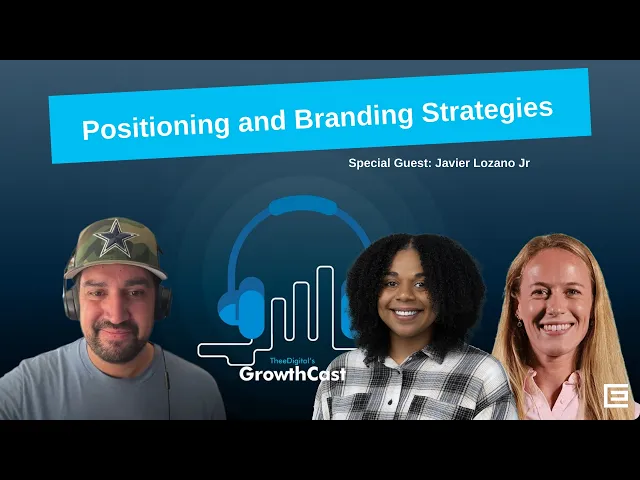
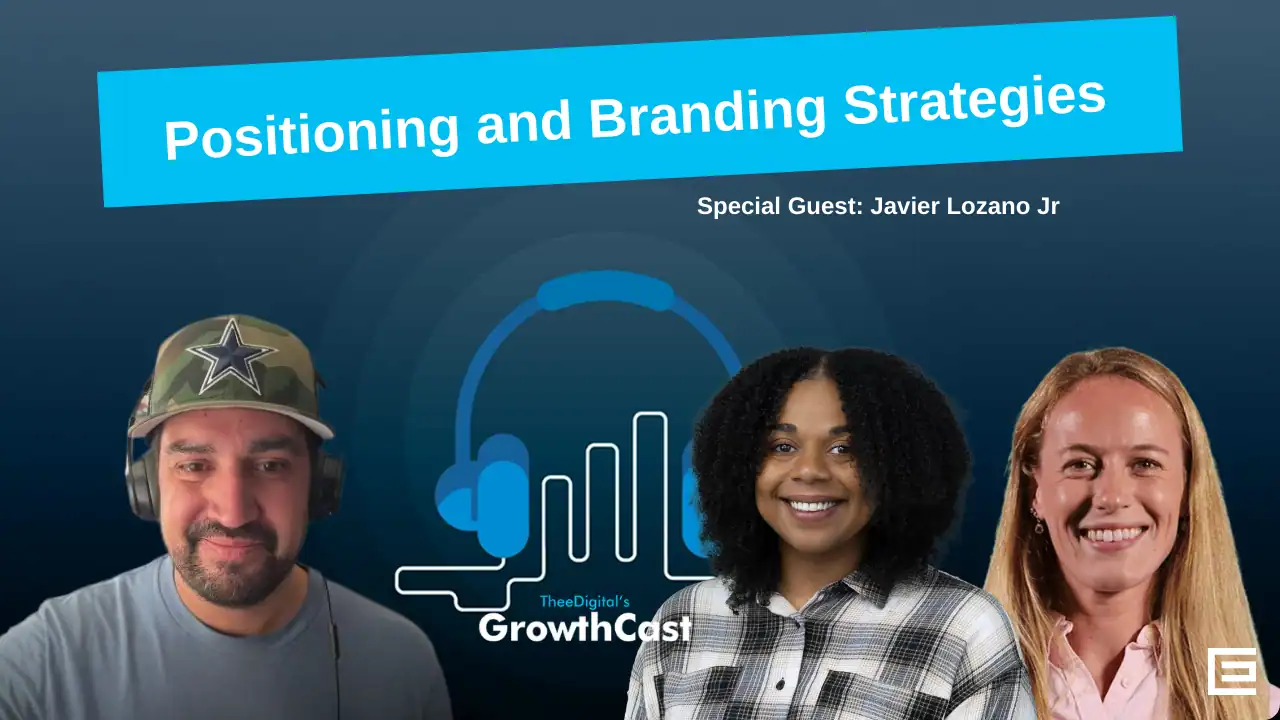
In this episode, Shyanna Kelley, Marketing Communications Manager at TheeDigital, Javier Lozano, A Fractional CMO and CRO at Bolder Media Co. and Lauren Clay, Marketing Director at TheeDigital, discuss the critical role of positioning in business growth.
In today’s competitive marketplace, many brands struggle to stand out. But why is that? In this blog post, we’ll dive into the insights shared by marketing professionals Shyanna Kelley, Javier Lozano, and Lauren Clay, who discuss the importance of effective brand positioning as a growth strategy. You’ll walk away with practical tips to sharpen your brand’s message and differentiate yourself from competitors.
Key Takeaways to Enhance Your Brand Positioning
- Understand Your Market: Conduct thorough research to identify customer pain points and desires.
- Define Your Unique Value Proposition: Clarify what makes your brand different and why it matters to your audience.
- Craft a Compelling Narrative: Use storytelling to create a perception of authority and relevance in your market.
- Be Adaptable: Your brand and positioning should evolve based on market feedback and changes.
- Engage with Your Audience: Build relationships and gather insights to continuously refine your approach.
Understanding Brand Positioning vs. Branding
Branding and positioning are often confused, but they serve different purposes. Branding is about reputation; it’s what people say about you when you’re not in the room. Positioning, on the other hand, defines the market space you occupy and the competitive edge you have
The Role of Branding in Business
Reputation Management: Your brand’s reputation influences customer choices. For example, Apple is known for its positive user experience and innovation.
Long-Term Identity: Branding evolves over time. As Javier Lozano stated, “Your brand today is going to be different 12 months from now,” highlighting the need for adaptability.
Positioning: The Strategy for Growth
Defining Your Hill: Positioning is about identifying the market problems you solve and the competition you face. It’s crucial to have a clear understanding of your target audience’s needs.
Fighting the Right Enemy: Javier emphasizes the importance of knowing your ‘enemy.’ This could be a competitor or a market misconception. For instance, if your product solves a significant pain point, that becomes the focus of your positioning strategy.
Why Companies Fail to Differentiate Themselves
Many brands end up blending in because they either mimic competitors or completely oppose them without understanding market needs.
Real Insights Matter: Engaging with your audience can reveal what they truly value, allowing you to adjust your offerings effectively.
Common Pitfalls: Brands often make assumptions instead of conducting thorough research to identify customer frustrations and desires.
The Importance of Narrative Engineering
Narrative engineering is about crafting a compelling story that resonates with your audience while establishing authority.
Messaging Consistency: Ensuring your messaging aligns with your brand story is crucial. This consistency builds trust and recognition among potential customers.
Building Perception: Javier shared how his team at Ratmate used strategic press releases to shape perceptions about their growth and capabilities, even as a small company. This approach helped them create a narrative that positioned them as industry leaders.
Moving Forward with Branding in 2026
In a crowded marketplace, effective brand positioning is crucial for standing out. By understanding the difference between branding and positioning, identifying your unique value, and creating a compelling narrative, you can differentiate your brand and drive growth.
Frequently Asked Questions
Brand positioning refers to the process of positioning your brand in the minds of customers as the most fitting solution to their needs.
Branding focuses on reputation and identity, while positioning defines the market space you occupy and how you differentiate yourself from competitors.
Adapting your brand strategy allows you to stay relevant and meet the evolving needs of your customers, ensuring ongoing growth and success.
Want a 2026 Branding Strategy That Holds Up?
Want to enhance your positioning strategy? Start by reaching out to one of our brand strategist [contact] to start assessing your brand’s current messaging and seek feedback to make informed adjustments.###
Tags: AI Search Marketing • Digital Marketing • Podcast
Shyanna Kelley
Shyanna collaborates with sales on lead generation efforts and planning and developing compelling digital assets for TheeDigital.